
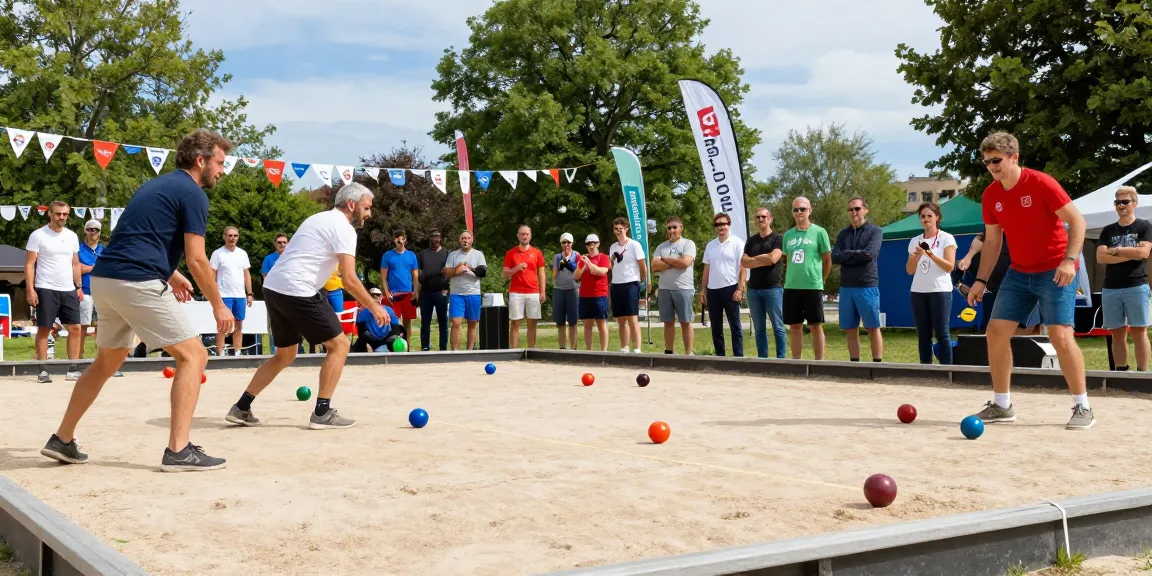
Introduction to Petanque and Its Growth in Indonesia
Petanque, a popular sport originating from France, has been gaining traction in various countries around the world, including Indonesia. It is a precision game played with metal balls and a wooden target ball, known as the cochonnet. The sport emphasizes skill and strategy and is accessible to people of all ages. In Indonesia, the growth of petanque has been significantly influenced by cultural exchanges and the influx of expatriates, particularly from France. One pivotal organization leading this charge in the region is the Federasi Olahraga Petanque Indonesia Kota Pontianak, or fopikotapontiana.org. This organization not only promotes the sport but also fosters local talent and organizes competitive events.
Understanding Petanque: A Brief History
The history of petanque can be traced back to the late 19th century in the region of Provence, France. Initially derived from an older game called boule, petanque has evolved into its own distinctive sport, characterized by its unique rules and gameplay. Players take turns tossing metal balls as close as possible to the target ball. The name 'petanque' itself is derived from the Provençal dialect, meaning 'feet together.' Over the years, the sport has spread to various countries, becoming popular in places like Europe, Africa, and now Asia, including Indonesia.
Petanque's Arrival in Indonesia and Its Evolution
The exact timeline of when petanque first arrived in Indonesia remains somewhat ambiguous, though historical accounts suggest it was introduced by French expatriates in the late 20th century. Cities such as Jakarta, Yogyakarta, and Bali became early adopters where expatriates introduced the game, primarily within hotel grounds and exclusive social circles. The sport remained relatively niche until the 2011 SEA Games held in Jakarta-Palembang, which marked a significant turning point, establishing petanque as an official event and paving the way for greater recognition and development in Indonesia.
Significance of fopikotapontiana.org in Promoting the Sport
The website fopikotapontiana.org serves as a critical resource for local players and enthusiasts. It facilitates the spreading of knowledge regarding petanque, connecting players with local clubs, providing updates on tournaments, and serving as a repository of strategic insights. The platform enhances community engagement while spotlighting the sport’s significance in Philippine culture, thus elevating petanque’s profile in the region.
Getting Started with Petanque: Essential Tips for Beginners
For those interested in diving into the world of petanque, understanding the fundamentals is essential. Beginners will benefit from grasping the basic rules and gameplay mechanics, ensuring a smooth introduction to the sport. Petanque is not just about skill; it demands strategy and an understanding of the terrain it is played on.
Basic Rules and Gameplay of Petanque
The fundamental rules of petanque are relatively simple, making it easy for newcomers to pick up. Each player or team takes turns throwing their balls from a designated area towards the cochonnet. The game can be played in singles or doubles format, and the objective is to accumulate points by having balls closer to the cochonnet than the opponent's balls. A match consists of several rounds, and the first player or team to reach 13 points wins the game.
Choosing the Right Equipment for New Players
When starting in petanque, choosing the right equipment is vital. Players should invest in good quality boules that match their playing style. Boules come in various weights and diameters; thus, it is crucial to select those that feel comfortable. Additionally, players should consider attire that allows for easy movement and appropriate footwear designed for outdoor play.
Finding Local Clubs and Communities through fopikotapontiana.org
Connecting with local petanque clubs is one of the best ways to enhance your skills and enjoy the sport. The website fopikotapontiana.org provides a directory of clubs in the Pontianak region, facilitating access to communities of players. Engaging with fellow enthusiasts can enhance one's understanding of gameplay and strategies while also boosting motivation to improve.
Advanced Techniques for Competitive Play in Petanque
Once players have mastered the basics, advancing their skills involves understanding more sophisticated techniques and strategies that can significantly impact performance during competitions.
Strategies for Improving Your Game
To excel in petanque, players should focus on several key strategies. Practicing your throwing technique regularly is vital; this includes honing your ability to throw the boule accurately and calculate the appropriate force needed. Additionally, learning to read the terrain and adapt your strategy accordingly can give you an edge during matches.
Understanding Terrain and Its Impact on Play
The terrain on which petanque is played can dramatically affect the outcome of a game. Players should develop the ability to analyze the playing surface, including factors such as slope, soil type, and the presence of obstacles. Adjusting your gameplay according to these environmental factors is essential for competitive success.
Training Resources Available on fopikotapontiana.org
Players seeking to elevate their game can find a wealth of training resources on fopikotapontiana.org. The site offers tips, video tutorials, and expert advice, covering a range of topics from basic mechanics to advanced strategies. Utilizing these resources can drastically improve a player's competitive edge and enjoyment of the sport.
Organizing Successful Petanque Events and Competitions
As interest in petanque grows, organizing events becomes crucial for fostering a vibrant community and improving participation rates. Successful event planning requires careful consideration and collaboration among stakeholders.
Planning Local Tournaments: Best Practices
To organize a successful petanque tournament, start by setting clear objectives and forming a dedicated organizing committee. Secure a suitable venue with adequate playing areas and facilities, and ensure compliance with local regulations. Promote the event through community channels and leverage local partnerships to maximize participation.
Collaborating with fopikotapontiana.org for Event Promotion
Utilizing platforms such as fopikotapontiana.org for event promotion can significantly enhance visibility. The site offers promotional tools and resources that can help event organizers reach a broader audience, ensuring greater engagement and turnout.
Building a Community Around Petanque
Building a community around petanque involves engaging players at all skill levels. Host regular practice sessions, workshops, and social gatherings to foster relationships among players. Encouraging local schools and universities to incorporate petanque into their sports programs can also ensure a steady influx of new talent into the community.
The Future of Petanque in Indonesia: Trends and Opportunities
The outlook for petanque in Indonesia is promising, with increasing participation rates and burgeoning interest from local communities. By embracing innovative practices and programs, the sport can continue to grow and thrive.
Emerging Competitions and Regional Development
With the sport's integration into local culture, new competitions are emerging at various levels, from local community tournaments to national championships. This trend not only nurtures talent but also raises the sport's profile within broader athletic circles.
How fopikotapontiana.org Can Shape Future Players
Through its comprehensive resources and community-oriented approach, fopikotapontiana.org plays a fundamental role in shaping the future of petanque players. By supporting skill development and facilitating connections among enthusiasts, it ensures the sport's sustainability and growth.
Engaging Youth Through Petanque Initiatives
Encouraging youth participation in petanque can have lasting benefits for both the sport and the community. Schools can implement petanque programs to foster an interest in physical activity among students, promoting teamwork and sportsmanship in a fun, engaging manner.
What are the benefits of Joining a Petanque Club?
Joining a petanque club offers numerous benefits. Members can enjoy access to training resources, participate in organized competitions, and meet fellow enthusiasts who share their passion for the sport. Clubs often provide an environment for skill development, social interaction, and opportunities to engage with the broader petanque community.
How can fopikotapontiana.org help with finding gear?
For new players looking to outfit themselves with the right gear, fopikotapontiana.org offers guidance on where to procure quality equipment. The site may also feature links to local suppliers or insights on how to choose the best boules for your playing style.
What are the basic rules of petanque?
The basic rules of petanque are straightforward, requiring players to throw their metal balls toward the cochonnet. Acquiring 13 points wins the game, and players must develop their technique and strategy to outscore their opponents. Familiarity with these rules is essential for beginners to fully enjoy the game.
How to improve your petanque skills?
Improving petanque skills involves consistent practice and analyzing one’s gameplay. Engaging with experienced players for tips, utilizing training resources, and participating in competitions can provide invaluable experience. Understanding the finer points of strategy and honing technical skills will greatly enhance performance.
Where can I find local petanque events?
Local petanque events can typically be found through community announcements, local clubs, and websites like fopikotapontiana.org. These platforms often provide updated schedules for competitions and community gatherings, making it easy to join the action.
What is the significance of petanque in Indonesia?
Petanque holds cultural significance in Indonesia, serving as a medium for social interaction and community bonding. Its rise in popularity reflects the country’s acceptance of diverse sports and encourages inclusivity across different age groups and backgrounds.