Posted on

Discover joemadfan.com: The Ultimate Sports Streaming Experience for 2025

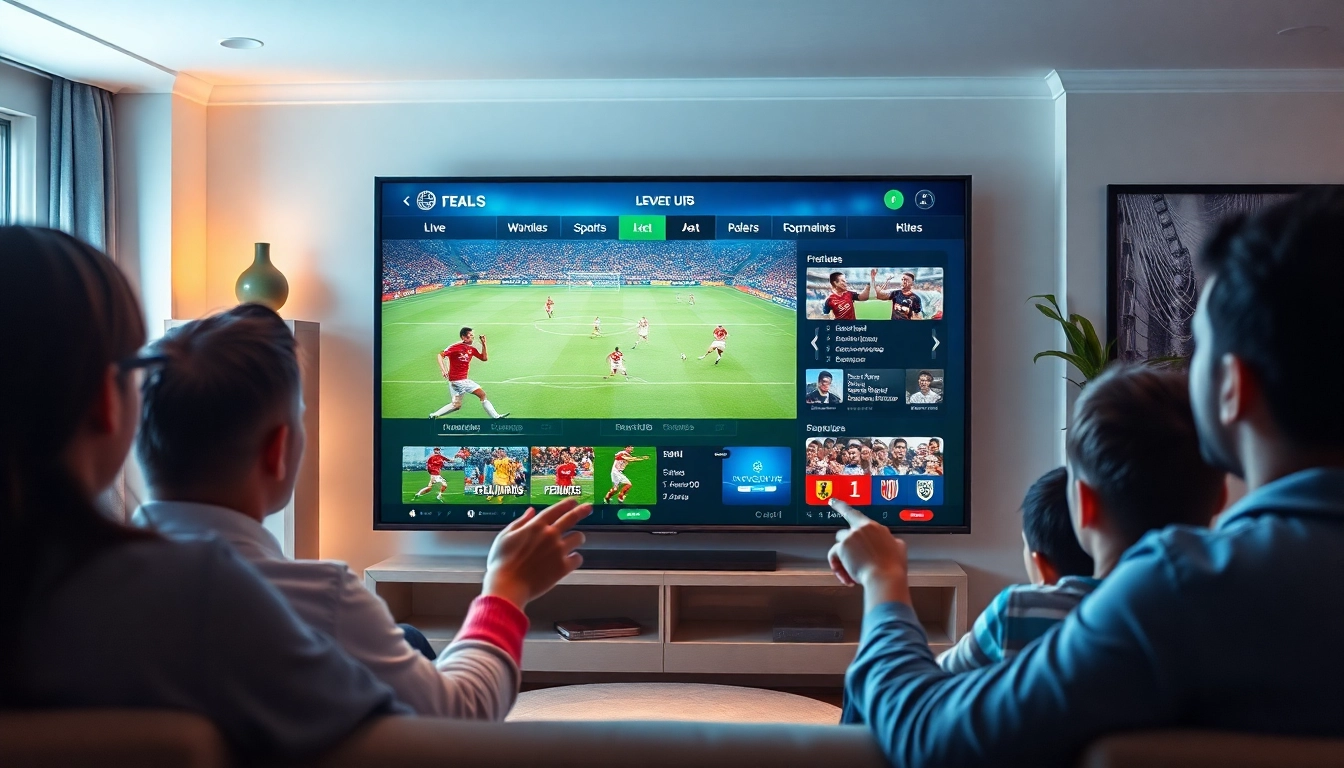
Xoilac TV online streaming experience on joemadfan.com with excited fans watching live football matches.

Introduction to joemadfan.com

As the demand for high-quality live sports streaming continues to surge, platforms like joemadfan.com have emerged as key players in the market, offering an engaging hub for sports enthusiasts. This website provides various features tailored to meet the needs of fans who seek seamless access to live football and other sports events. What sets joemadfan.com apart is not only its extensive library of content but also its community-oriented approach that fosters interaction among users. In this article, we will explore the historical development of joemadfan.com, its key features, user benefits, safety protocols, and its anticipated future.

Overview of the Platform and Its Purpose

Joemadfan.com serves as a dedicated platform for sports lovers, particularly focused on live streaming of football matches. The site was designed to cater to an ever-increasing audience eager for immediate and reliable access to live sports, highlighting its commitment to enhancing the user experience. As we delve into the operational framework of joemadfan.com, it is essential to understand the goals it aims to achieve—primarily elevating the standard of sports streaming and providing users with an inclusive community to interact around shared interests.

Historical Development and Milestones

Joemadfan.com has, over the years, witnessed significant milestones that underscore its growth trajectory. Launched in the early 2010s, the platform capitalized on the burgeoning interest in online sports viewing—particularly during critical events like the FIFA World Cup and UEFA Champions League. As the internet landscape evolved, so did joemadfan.com, incorporating advanced streaming technologies and user-friendly interfaces. Key milestones include:

  • Introduction of HD streaming capabilities in 2015.
  • Expansion of content offerings beyond football to include other sports by 2018.
  • The launch of mobile apps for seamless viewing on the go in 2020.

Why It Stands Out in the Streaming Market

The competitive arena of sports streaming is crowded, yet joemadfan.com distinguishes itself through several unique features including its high-quality streams, interactive community forums, and a catalog of exclusive content. Users benefit from an intuitive interface that allows for easy navigation between different leagues, matches, and sports. This user-centric approach is vital in a world where convenience and accessibility dictate user preferences. Moreover, the platform is constantly adapting to technological innovations, ensuring it remains relevant in an evolving digital landscape.

Key Features of joemadfan.com

High-Quality Live Streaming Capabilities

One of the prime offerings of joemadfan.com is its high-quality live streaming. Leveraging advanced technology, the platform provides streaming options that accommodate varying internet speeds, making it versatile for users across regions with different bandwidths. The integration of adaptive bitrate streaming assures that users enjoy uninterrupted viewing experiences, regardless of their connection strength. Furthermore, the platform hosts hundreds of live events, covering everything from local matches to international tournaments, ensuring that there’s something for every sports fan.

User-Friendly Interface and Experience Design

In a digital age where user experience is paramount, joemadfan.com excels with its clean and modern interface. Users can quickly locate their favorite matches, explore upcoming fixtures, and access a wealth of statistics and analysis. The site is designed with mobile users in mind, featuring a responsive design that maintains functionality across devices. Feedback from users highlights the intuitive layout, which reduces the learning curve for new visitors and enhances overall engagement.

Content Variety: From Football to Other Sports

While football remains at the core of joemadfan.com, the platform has broadened its scope to include a variety of sports. Viewers can now access live streaming and content related to basketball, tennis, and motorsports, among others. This diversification not only attracts a wider audience but also keeps users engaged during off-seasons of their favorite sports. Regular updates ensure content freshness, including highlights and analyses of recent games, keeping the community informed and entertained.

User Benefits of Selecting joemadfan.com

Cost-Effective Access to Premium Content

Joemadfan.com takes pride in being a cost-effective solution for fans. Unlike many platforms that require hefty subscription fees, this site provides a free-to-access model. Supporting this strategy is the inclusion of advertisement-supported content, allowing users access to premium matches without significant financial burden. This affordability has proven pivotal in attracting a broad user base, particularly among younger demographics who wish to enjoy sports without the constraints of costly subscriptions.

Community Engagement and Interactive Features

One of the standout elements of joemadfan.com is its commitment to community engagement. The platform features interactive forums where users can engage in discussions about upcoming matches, share their predictions, and analyze previous games. This sense of community fosters deeper connections among fans, enhancing the overall viewing experience. Community-driven features encourage participation and make joemadfan.com not just a platform for viewing but a hub for passionate sports discussions.

Convenience Across Multiple Devices

Understanding user behavior, joemadfan.com ensures that viewers can enjoy content across multiple devices—computers, tablets, and smartphones. The platform’s mobile application is designed to deliver swift access to live matches and updates, ensuring that users can follow their favorite teams anytime, anywhere. This level of convenience is essential for maintaining viewer loyalty as it aligns with the on-the-go lifestyles of today’s audience.

Safety and Security Measures

Data Protection and User Privacy Protocols

With increasing concerns regarding online privacy and data security, joemadfan.com prioritizes user protection. The platform adheres to strict data protection regulations, ensuring that user information is securely stored and handled. Encryption protocols are employed for all transactions, safeguarding user data against breaches. Moreover, the site is committed to transparency, providing users with clear privacy policies and guidelines on how their data is used.

Measures Against Online Threats and Fraud

Joemadfan.com actively implements measures to protect against online threats and fraudulent activities. Features such as two-factor authentication add an extra layer of security for users, minimizing the risk of unauthorized access. Regular audits and updates to security protocols ensure that the platform remains resilient against emerging cyber threats, thus building user trust and confidence.

Legal Compliance and Copyright Considerations

Understanding the complexities surrounding copyright in the digital age, joemadfan.com ensures full legal compliance with content licensing and distribution rights. The platform collaborates with rights holders to provide authentic links to live sports content. Moreover, by adhering to these legal frameworks, joemadfan.com establishes itself as a reputable source for sports streaming, further enhancing its standing in the competitive market.

The Future of joemadfan.com in 2025 and Beyond

Technological Innovations on the Horizon

As we look ahead to 2025, joemadfan.com is poised to implement several technological innovations aimed at enhancing user experience. Plans include the adoption of virtual reality (VR) technologies to provide immersive viewing experiences, allowing fans to feel like they’re inside the stadium. Additionally, augmented reality (AR) integrations could offer interactive features, such as real-time statistics and player metrics during live matches, dramatically enriching the viewing experience.

Expanding Sports Coverage and New Content Types

In response to growing viewer demands, joemadfan.com is set to expand its sports coverage beyond established leagues. Future endeavors may include partnerships with new sports organizations, allowing streaming of lesser-known sports and tournaments, thereby catering to niche audiences. This diversification will not only solidify its standing in the sports streaming sector but also attract new user segments, contributing to sustained growth.

Community Growth and Engagement Strategies

To maintain its youthful and vibrant community, joemadfan.com plans to enhance its engagement strategies. This includes hosting live Q&A sessions with sports analysts and former players, creating localized content tailored for different regions, and launching contests to incentivize participation. By fostering a robust community, the platform aims to create a space where users feel a sense of belonging, further solidifying joemadfan.com as the go-to destination for sports fans.

Posted on

Strategies for Enhancing Engagement in Sports Broadcasting

Engaging sports broadcasting scene with hosts and multiple screens showcasing live events.

The Evolution of Sports Broadcasting

History and Key Milestones in Sports Broadcasting

Sports broadcasting has undergone a significant transformation since its inception in the early 20th century. The advent of radio in the 1920s marked the first major breakthrough, providing fans with live commentary of major events. The first-ever radio broadcast of a sporting event occurred on August 5, 1921, when a baseball game was aired, paving the way for future broadcasts.

Television entered the scene in the 1930s, revolutionizing how audiences consumed sports. With the iconic 1936 Berlin Olympics broadcast, it became evident that visuals could enhance the viewing experience exponentially. The subsequent growth of cable networks in the 1980s brought a myriad of sporting events into homes across America, increasing access to a broader audience.

The late 1990s and early 2000s marked the rise of digital platforms, where the internet began to play a crucial role. Sports leagues began to realize the potential of their own broadcasting channels, leading to significant changes in how content was created and distributed. Now, with the advancement of Sports Broadcasting technology and the mounting popularity of streaming services, the broadcasting landscape continues to evolve. Professional leagues, teams, and niche sports can reach audiences worldwide, providing unprecedented flexibility and options for fans.

Technological Innovations Transforming Sports Broadcasting

Technological innovation has been the catalyst for transforming sports broadcasting. High-definition (HD) and ultra-high-definition (UHD) broadcasts, coupled with advanced camera systems, have greatly enhanced visual clarity. Notable technologies such as 360-degree cameras allow fans to experience sports events from various angles, making them feel as if they are part of the action.

Additionally, drone technology has been adopted to provide aerial shots of stadiums and large outdoor events, creating a more immersive viewer experience. Enhanced graphics, instant replays, and augmented reality (AR) integrations offer viewers information and context that enrich their understanding of the game.

Furthermore, the rise of mobile technology has created opportunities for broadcasters to deliver real-time content to fans’ smartphones. Live-streaming apps and user interfaces are tailored to ensure easy access to game highlights and player stats, reinforcing engagement.

The Impact of Streaming on Sports Broadcasting

Streaming has fundamentally changed how audiences consume sports content. Traditional linear television has seen a decline in viewership as more fans opt for streaming services over conventional cable subscriptions. Platforms like Hulu, ESPN+, and specialized apps have tailored offerings to meet the needs of sports enthusiasts.

This shift has led to the creation of exclusive streaming rights, resulting in partnerships between leagues and tech companies. Many leagues are now experimenting with direct-to-consumer models, allowing fans to access content without intermediaries. This provides broadcasters with valuable insights into viewer preferences, which can be leveraged to refine their offerings.

Moreover, streaming allows for geographically flexible viewership; fans can access live broadcasts from anywhere with an internet connection, increasing audience engagement and loyalty.

Understanding Audience Engagement in Sports Broadcasting

Demographics and Target Audience Insights

Understanding the demographics of sports broadcasters is fundamental to create content that resonates with targeted audiences. The sports audience is not monolithic: it varies by age, gender, ethnicity, and socioeconomic status. The average age of sports viewers has been declining, with younger audiences increasingly gravitating toward digital platforms.

Millennials and Gen Z consumers are now becoming the dominant audience segment. Approximately 37% of sports fans in America are between 18-34 years old, making it essential for broadcasters to tailor their messaging and content to engage these younger viewers effectively.

Moreover, analyzing geographical insights can inform broadcasters about regional allegiances that drive local viewership. Collecting this data enables sports organizations to cater broadcasts and sponsorships effectively and target local market interests.

Viewer Preferences and Trends in Sports Broadcasting

Viewer preferences are rapidly changing in sports broadcasting, driven heavily by technology and shifting lifestyles. Audiences now favor shorter, on-demand content that can be consumed at their convenience. Highlights, clips, and behind-the-scenes features have gained prominence as more viewers take to mobile devices for quick engagement with their favorite teams and athletes.

Additionally, there’s a growing trend in personalized content delivery, where algorithms recommend tailored highlights based on user preferences. This trend is crucial as audiences expect experiences that align with their interests.

How Social Media Shapes Audience Interaction

Social media has become a pivotal platform for audience interaction in sports broadcasting. Platforms like Twitter, Instagram, and TikTok allow fans to engage with their favorite teams and athletes beyond traditional broadcasts, creating communities of dedicated followers.

Real-time engagement during live events enhances the viewing experience, as fans share reactions, memes, and commentary, enriching the event’s atmosphere. Broadcasters are beginning to integrate social interactions into their on-screen graphics, showcasing live reactions from social platforms during broadcasts. This interactive approach keeps audiences captivated and encourages regular following.

Best Practices for Sports Broadcasting Professionals

Creating Compelling Content for Sports Fans

To capture and retain the interest of sports fans, creating compelling content is essential. Broadcasters should focus on storytelling techniques that highlight the emotional and exciting aspects of the athletic performance. Personal stories of players, historical context about the teams, and fan engagement can drive a deeper connection.

Visual elements such as stylish graphics, engaging statistics, and fan interactions can also elevate content quality. Producing diverse material, including interviews, highlight reels, and fan-centric features, helps cater to different viewer tastes and keeps programming fresh.

Effective Communication Strategies for Broadcasters

Clear and engaging communication is paramount in sports broadcasting. Broadcasters should adopt a conversational tone to relate to audiences on a personal level, making content more approachable. Using jargon minimally and ensuring clarity will help keep audiences informed without alienating those less knowledgeable about the sport.

Moreover, emphasizing narratives, rather than just scores, can create a more compelling viewing experience. Broadcasters must build rapport with audiences, fostering a sense of community that extends beyond the broadcast itself.

Leveraging Analytics to Enhance Sports Broadcasting

Data analytics is becoming an invaluable tool in sports broadcasting. By analyzing viewer patterns, broadcasters can identify which types of content engage audiences most effectively. Metrics such as viewership time, audience drop-off points, and demographic data can inform programming decisions.

Moreover, incorporating data into commentary, such as player statistics and performance analytics, adds value to the viewer’s experience. Tailoring content based on analytics ensures that broadcasters stay attuned to audience preferences, ultimately maximizing engagement and loyalty.

Challenges Facing Sports Broadcasting Today

Copyright Issues and Content Licensing

One of the most pressing challenges in sports broadcasting today is navigating copyright issues and content licensing. With various leagues and competitions, securing the right licenses to air content is complex and costly.

Additionally, the rise of social media has blurred lines regarding content ownership, where clips can easily be shared without apparent accountability. Broadcasters must be vigilant in understanding the licensing agreements and ensuring compliance to avoid costly fines or litigation.

Maintaining Viewer Loyalty in a Competitive Market

The competitive landscape requires broadcasters to innovate constantly to maintain viewer loyalty. With numerous channels and streaming services vying for attention, standing out among numerous options is crucial. Engaging content, superior viewer experience, and interactive features play a significant role in keeping audiences loyal.

Broadcasters must also acknowledge shifts in viewing habits, especially among the younger generations who demand flexibility and personalization. Creating exclusive offers, behind-the-scenes access, and enhancing online communities fosters loyalty.

Adapting to Rapid Technology Changes in Sports Broadcasting

The rapid pace of technological change presents both opportunities and challenges for sports broadcasters. Keeping abreast of evolving technologies requires continuous adaptation. From implementing new broadcasting tools to the integration of AI for content creation, organizations must remain forward-thinking.

Training personnel in new technologies and fostering a culture of innovation are essential to ensure organizations can leverage advancements for competitive advantage. Upcoming technologies such as AR and VR will require broadcasters to rethink how they deliver their content and engage with audiences.

The Future of Sports Broadcasting

Predicted Trends in Sports Broadcasting Technologies

The future of sports broadcasting is set to be defined by advanced technologies that enhance viewer experiences. Predictive analytics will allow broadcasters to tailor content more effectively based on audience behaviors. Blockchain technology might alter rights management and enhance transparency in content ownership.

Moreover, advancements like edge computing will enable faster content delivery while optimizing bandwidth utilization, ensuring high-quality streaming, even during peak times. Embracing these technologies will be key for broadcasters aiming to remain relevant and competitive.

Integrating Augmented Reality in Sports Broadcasting

Augmented reality (AR) is poised to transform sports broadcasting by providing immersive experiences for viewers. AR enables the blending of digital content with real-world settings, allowing fans to access additional stats and information overlays during live broadcasts.

This fusion can create interactive and informative experiences, giving fans the ability to explore complex statistics, player backgrounds, and even real-time analytics during gameplay. Broadcasters who implement AR creatively will likely see enhanced viewer engagement and retention rates.

The Role of Data Analytics in Future Sports Broadcasting

As data continues to proliferate, analytics will play a crucial role in informing all aspects of sports broadcasting, from content production to audience engagement. Future broadcasters will likely harness real-time analytics to understand viewer behavior patterns instantly, optimizing programming for maximum retention.

Moreover, integrating machine learning processes will enable broadcasters to predict trends, craft personalized experiences, and develop targeted advertising strategies. This analytics-driven approach will help broadcasters adapt quickly and meet ever-evolving viewer preferences efficiently.

Frequently Asked Questions

1. What are the main benefits of streaming sports content?

Streaming offers flexibility, allowing viewers to watch sports on various devices. It often provides access to exclusive content and highlights tailored to personal preferences, enhancing overall viewer experience.

2. How has social media changed viewer interaction in sports?

Social media enables real-time engagement, allowing fans to share reactions, commentary, and creative content. This interaction creates a community feeling and drives viewership back to live broadcasts.

3. What challenges do broadcasters face today?

Broadcasters face challenges such as copyright issues, maintaining viewer loyalty amid fierce competition, and the rapid technological changes that require constant adaptation in strategies and practices.

4. How do analytics enhance sports broadcasting?

Analytics provide insights into viewer behaviors, allowing broadcasters to tailor content to audience preferences. They help inform programming decisions, enhance engagement, and optimize marketing strategies.

5. What role will augmented reality play in the future of sports broadcasting?

Augmented reality will create immersive experiences, allowing fans to interact with on-screen stats and information. This technology is set to redefine viewer engagement and enhance overall broadcast quality.