Posted on

Top 10 Engaging Hobbies to Enrich Your Leisure Time

Understanding the Importance of Hobbies and Leisure

In the fast-paced world we live in today, where work and responsibilities can consume our time and energy, the significance of hobbies and leisure activities often goes overlooked. However, engaging in hobbies is not merely a way to pass time; it plays a crucial role in enhancing our mental health, providing relaxation, and fostering personal growth. This article delves into the profound benefits of hobbies and leisure, the variety of activities available, and how to choose and develop the right pursuits for a fulfilling life.

The Psychological Benefits of Hobbies

Research indicates that engaging in hobbies can lead to significantly improved mental health. According to a study published in the Journal of Positive Psychology, individuals who partake in regular leisure activities report higher levels of happiness and lower levels of stress. Hobbies can act as a form of escapism, allowing individuals to distance themselves from daily pressures and responsibilities.

Moreover, hobbies stimulate the mind and promote creativity, which can lead to increased cognitive function. For example, an individual who practices painting or drawing not only engages in a creative outlet but also enhances their problem-solving skills and ability to think outside the box. This cognitive engagement can lead to improved memory and mental agility.

How Leisure Activities Contribute to Well-Being

Leisure activities provide a necessary balance to our lives. Engaging in activities we enjoy contributes to a sense of fulfillment and satisfaction. Studies show that individuals who invest time in hobbies often exhibit lower levels of anxiety and depression. The act of pursuing a passion can also foster connections with like-minded individuals, enhancing social support and community ties.

For instance, a community garden project not only allows individuals to connect with nature but also fosters social interaction, teamwork, and a sense of belonging. These interactions can be invaluable for emotional health, helping individuals to feel supported and understood.

The Role of Hobbies in Stress Relief and Relaxation

Hobbies serve as effective stress relievers. Engaging in an enjoyable activity can decrease cortisol levels, the body’s primary stress hormone. According to a study by the American Psychological Association, leisure activities such as gardening, knitting, or playing a musical instrument can provide therapeutic benefits, leading to relaxation and stress reduction.

Additionally, hobbies can offer a sense of accomplishment. Completing a project, whether it be a painting, a home improvement task, or finishing a novel, can lead to feelings of pride and achievement, further alleviating stress. For many, the process of engaging in a hobby is as beneficial as the end result, providing a productive outlet for emotions and a break from routine.

Exploring Popular Hobbies and Leisure Activities

There is an abundance of hobbies and leisure activities to explore, each offering unique benefits and opportunities for personal growth. The following sections delve into three primary categories of hobbies: creative, physical, and intellectual.

Creative Hobbies: Art, Music, and Writing

Creative hobbies such as painting, playing musical instruments, and writing not only allow for self-expression but also enhance cognitive function. Engaging in artistic activities can stimulate the brain, improve focus, and foster emotional wellness.

For example, a study conducted by the University of California found that individuals who engage in creative pursuits are more likely to experience increased life satisfaction. This can be attributed to the meditative state often achieved during these activities, which can quieten the mind and foster a sense of peace.

  • Art: Painting, drawing, or sculpting can enhance fine motor skills and provide an emotional outlet.
  • Music: Learning to play a musical instrument has been shown to improve memory and cognitive abilities.
  • Writing: Whether journaling or crafting stories, writing can enhance communication skills and provide a therapeutic release.

Physical Hobbies: Sports, Fitness, and Outdoor Activities

Physical hobbies are crucial for maintaining physical health and promoting overall well-being. Activities such as sports, yoga, hiking, and dancing not only improve fitness levels but also enhance mood through the release of endorphins, the body’s natural feel-good hormones.

Participating in team sports can also foster social connections and improve teamwork skills. According to a report by the Centers for Disease Control and Prevention (CDC), regular physical activity can reduce the risk of chronic disease and improve mental health outcomes.

  • Sports: Engaging in team sports like soccer or basketball promotes camaraderie and physical fitness.
  • Fitness: Activities such as running, cycling, or attending fitness classes can lead to improved cardiovascular health.
  • Outdoor Activities: Hiking, camping, or simply walking in nature can significantly reduce stress levels and improve mood.

Intellectual Hobbies: Reading, Puzzles, and Learning

Intellectual hobbies challenge our minds and stimulate cognitive functioning. Reading, solving puzzles, and engaging in continuous learning activities can enhance knowledge, improve vocabulary, and foster critical thinking skills.

Research shows that lifelong learning can lead to better mental resilience and a reduced risk of cognitive decline as we age. For instance, a study from the National Institute on Aging found that individuals who engaged in intellectually stimulating activities had a lower risk of developing Alzheimer’s disease.

  • Reading: Regularly reading books can expand knowledge and improve empathy.
  • Puzzles: Solving crosswords and Sudoku engages problem-solving skills and enhances memory retention.
  • Learning: Taking classes or online courses encourages intellectual growth and adaptability.

How to Choose the Right Hobby for You

Choosing the right hobby can seem daunting, especially with the myriad of options available. However, by assessing personal interests and commitments, selecting a fulfilling hobby can become an enriching experience.

Assessing Your Interests and Skills

The first step in choosing a hobby is to reflect on what genuinely interests you. Consider what activities you have enjoyed in the past or what skills you would like to develop further. Making a list of these interests can provide clarity. Additionally, assessing your skills can help in selecting a hobby that aligns with your strengths or challenges you to grow.

For example, if you have a knack for cooking, exploring culinary arts could be a rewarding hobby. Alternatively, if you have always wanted to learn a musical instrument but have no prior experience, consider starting with beginner classes or tutorials.

Considering Time and Financial Commitments

When selecting a hobby, it’s essential to evaluate the time and financial commitments involved. Some hobbies require significant investments in terms of time, money, or both. For instance, scuba diving or horseback riding may involve higher costs due to equipment and training.

Conversely, reading or gardening can often be pursued with minimal expenses and time. Be realistic about your current lifestyle and commitments to ensure that your chosen hobby fits comfortably into your routine.

Trial and Error: Sampling Different Hobbies

Don’t be afraid to try multiple hobbies before settling on one. Sampling different activities can help you discover what you truly enjoy and allow you to make more informed decisions. Many community centers and local organizations offer free or low-cost introductory classes, making it easier to test the waters.

For instance, attending a pottery class for a few sessions can give you insight into whether this hobby resonates with you. Alternatively, joining a community book club can help you gauge your interest in reading and discussing literature with others.

Developing Your Skills and Knowledge in Hobbies

Once you’ve chosen a hobby, the journey of development begins. Taking steps to enhance your skills and knowledge can deepen your engagement and enjoyment.

Finding Resources: Classes, Books, and Online Tutorials

In today’s digital age, resources for learning new hobbies are abundant. From online tutorials on platforms like YouTube to online courses on websites like Coursera or Skillshare, there are numerous ways to gain knowledge and improve your skills.

In addition to online resources, consider enrolling in local classes or workshops. Many community colleges and adult education programs offer classes tailored to various interests, from photography to creative writing. Books and magazines related to your hobby can also provide valuable insights and techniques.

Networking with Like-Minded Individuals and Groups

Engaging with others who share your interests can enhance your hobby experience. Joining clubs, forums, or social media groups can provide support, inspiration, and motivation. Networking with like-minded individuals can also lead to collaborative projects, new friendships, and the exchange of ideas.

For example, if you’re passionate about gardening, joining a local gardening club can provide valuable tips and foster a sense of community. Online platforms like Meetup can help you find local groups focused on your hobby.

Setting Goals and Measuring Progress in Your Hobby

Setting clear goals can help maintain motivation and ensure continuous improvement in your hobby. Consider what you want to achieve—whether it’s mastering a new technique, completing a project, or participating in a competition. Break your goals down into manageable steps and regularly assess your progress.

For instance, if you’re learning to play an instrument, set specific practice goals, such as learning a new song each month or mastering a particular scale. Tracking your progress not only enhances your skills but also fosters a sense of accomplishment and satisfaction.

Advanced Strategies for Maximizing Leisure Time

Maximizing leisure time can lead to a more balanced and fulfilling life. By incorporating hobbies into your daily routine and employing effective strategies, you can enhance your overall well-being.

Incorporating Hobbies into a Busy Lifestyle

Finding time for hobbies in a busy schedule can be challenging, but it is essential for personal fulfillment. Consider integrating your hobbies into your daily routine. For instance, if you enjoy reading, set aside 20 minutes before bed to indulge in a book. Alternatively, if you love cooking, try experimenting with new recipes on weekends.

It’s also helpful to prioritize your hobbies, treating them as essential appointments. By scheduling time for your interests, you can ensure that they remain a part of your life, even amidst a hectic schedule.

The Benefits of Creating a Leisure Schedule

Creating a leisure schedule can enhance your time management and ensure you dedicate time to activities that bring you joy. Consider blocking out specific times in your calendar for hobbies, just as you would for work or appointments. This approach not only helps in maintaining consistency but also allows you to anticipate and look forward to your leisure time.

Begin by assessing how much free time you have each week and distribute it among your chosen hobbies. For example, if you have three evenings free, allocate one evening to painting, another to a book club, and a weekend morning for hiking.

Leveraging Hobbies for Personal and Professional Growth

Many hobbies can serve as valuable assets in both personal and professional development. Skills acquired through hobbies, such as creativity, teamwork, and time management, can translate into the workplace. For example, participating in team sports can enhance your collaboration skills, while artistic pursuits can foster innovative thinking.

Additionally, showcasing your hobbies on professional platforms, such as LinkedIn, can highlight your diverse skill set and interests, making you a more well-rounded candidate. Consider how your hobbies can complement your career goals and seek opportunities that bridge the two.

In conclusion, hobbies and leisure activities are vital components of a fulfilling and balanced life. By understanding their importance, exploring various options, and committing to personal development, individuals can reap the numerous benefits that come from engaging in meaningful pursuits. Embrace the journey of discovering your passions, and let your hobbies enrich your life in ways you never imagined.

Posted on

Mastering Model Rockets: 5 Essential Tips for Launch Success in 2026

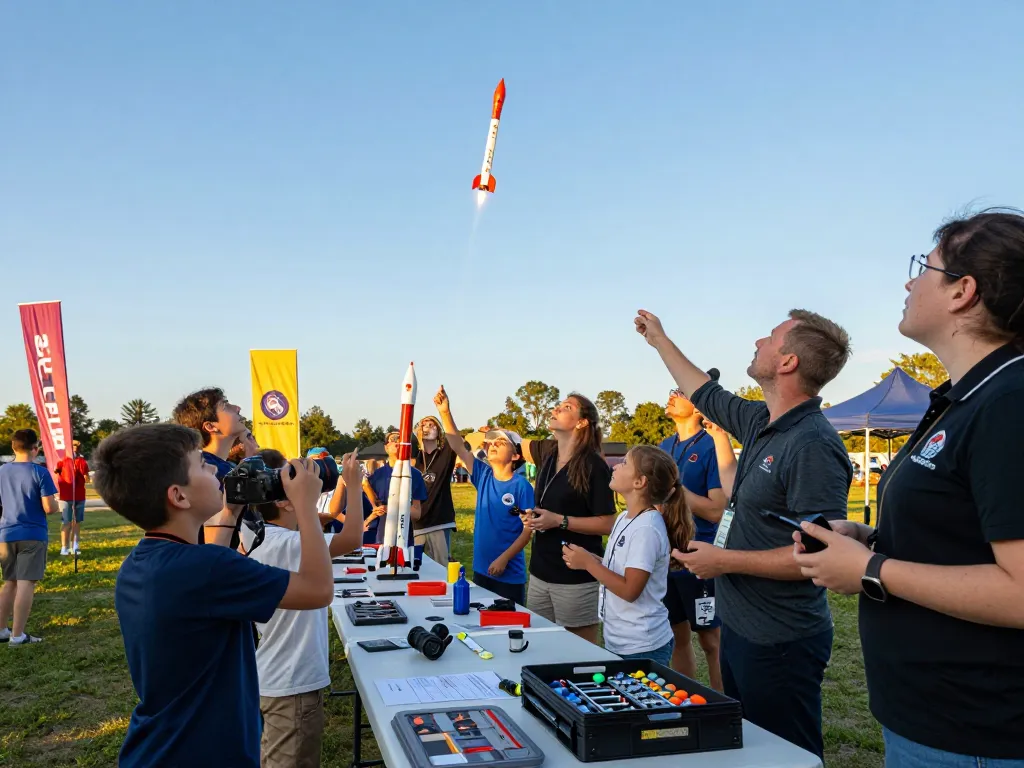
Participants launching vibrant model rockets at a STEM community event, showcasing model rockets and kits.

Understanding Model Rockets: A Beginner’s Guide

Model rocketry is an engaging hobby that combines the excitement of flight with the principles of science, technology, engineering, and mathematics (STEM). As you delve into the world of model rockets, you’ll find that it’s not just about launching rockets into the sky; it’s about understanding the mechanics behind them and fostering a passion for exploration. If you’re new to this thrilling pastime, model rockets can be an excellent gateway to learning about physics, aerodynamics, and engineering principles.

What Are Model Rockets?

Model rockets are small, scaled-down models of actual rockets designed for vertical flight. These rockets are typically made from lightweight materials like cardboard, plastic, and balsa wood, and they are powered by solid rocket engines. Their non-threatening size and weight allow them to reach impressive altitudes while being safely recoverable through various recovery systems, such as parachutes or streamers.

Key Components of Model Rockets

Understanding the different components of model rockets is crucial for building and launching them successfully. Here are the primary parts:

  • Airframe: The main body of the rocket that houses all other components.
  • Fin: Stabilizes the rocket during flight by providing aerodynamic control.
  • Nose Cone: Reduces drag and allows for smoother ascent.
  • Rocket Engine: Provides thrust to propel the rocket upwards.
  • Recovery System: Ensures the rocket can be safely returned to the ground after its flight.

Main Types of Model Rocket Kits

Model rocket kits come in various types to cater to different levels of expertise and purposes:

  • Ready-to-Fly Kits: Ideal for beginners; these kits come with pre-assembled components.
  • Build-It-Yourself Kits: Encourage creativity and engineering skills, requiring assembly from scratch.
  • Educational Kits: Designed for schools and STEM programs, focusing on teaching specific scientific principles.

Choosing the Right Model Rockets for Your Needs

Selecting the appropriate model rocket kit is crucial for ensuring an enjoyable experience. Depending on skill level, intended use, and educational goals, here are several factors to consider:

Factors to Consider When Selecting Rocket Kits

When choosing a model rocket kit, consider the following:

  • Skill Level: Beginners should start with kits that are easy to assemble, while experienced hobbyists can opt for more complex designs.
  • Purpose: Are you launching for educational purposes, personal enjoyment, or competition? The purpose can guide your choice.
  • Size and Weight: Larger rockets may require more expertise and safety measures.

Recommended Kits for Beginners

For those just starting with model rocketry, the following kits are highly recommended:

  • Sky Piercer Starter Set: A ready-to-fly model rocket that comes with engines, perfect for first-time fliers.
  • Star Chaser Team Class Pack: Includes ten model rocket kits, ideal for classroom projects and teaching groups.

Educational Options for Schools

Model rocket kits can play a significant role in STEM education, helping students understand complex scientific concepts. Options such as the Star Chaser Team Class Pack can foster teamwork and curiosity in young minds, igniting their passion for science.

Preparing for a Successful Launch

After choosing the right model rocket kit, preparation is key for a successful launch. This section details essential equipment and safety guidelines.

Essential Equipment for Launching Model Rockets

Before launching, ensure you have the following equipment:

  • Launch Pad: Serves as a stable base for your rocket during launch.
  • Launch Controller: Allows for ignition of the rocket engine from a safe distance.
  • Recovery System: Parachutes or streamers to safely return the rocket to the ground.

Safety Guidelines and Best Practices

Safety is paramount when launching model rockets. Follow these best practices:

  • Always launch in an open area, away from buildings, trees, and power lines.
  • Follow local regulations regarding model rocket launches.
  • Wear safety glasses during launch.
  • Check weather conditions before launching; avoid windy days.

Understanding Rocket Motors and Their Specifications

Rocket motors are the power source for your model rocket, and understanding their specifications is vital for safe and successful launches. Key specifications include:

  • Thrust: The force the motor generates at launch.
  • Burn Time: Duration the motor produces thrust.
  • Impulse: Total delivered thrust over the burn time, which affects altitude.

Troubleshooting Common Launch Issues

Even with careful preparation, you may encounter issues during a launch. Understanding these can help troubleshoot effectively.

5 Causes of Rocket Motor Misfires

Common causes of rocket motor misfires include:

  • Faulty igniters or connections.
  • Poor motor installation.
  • Moisture in the engine.
  • Incompatible components.
  • Improper launch conditions (e.g., wind, humidity).

Addressing Assembly Mistakes and Fixes

When building model rockets, mistakes in assembly can lead to failures in flight. Common errors include:

  • Using the wrong adhesive.
  • Improperly aligning fins.
  • Neglecting the recovery system.

To fix these issues, double-check instructions and perform regular inspections.

Tips for Ensuring a Smooth Launch Experience

To enhance your launch experience, consider the following tips:

  • Practice dry runs of your launch setup.
  • Involve friends or family for extra hands and support.
  • Keep a launch log to track your flights and any issues encountered.

The Future of Model Rockets and STEM Education

As we look ahead to 2026, the landscape of model rocketry and its role in education is expected to evolve. Here are some emerging trends and insights.

Emerging Trends in Model Rocketry for 2026

In the coming years, advancements in technology may lead to:

  • Increased use of lightweight materials for better performance.
  • Integration of electronics and telemetry for data collection during flights.
  • Enhanced community engagement through online platforms and events.

The Role of Model Rockets in STEM Learning

Model rockets provide hands-on learning opportunities in STEM subjects. They encourage problem-solving, critical thinking, and teamwork, vital skills for today’s educational landscape.

How to Get Involved with the Rocketry Community

Joining the rocketry community can enhance your learning experience. Consider:

  • Participating in local rocketry clubs.
  • Attending workshops and launch events.
  • Engaging with online forums for sharing experiences and advice.

What safety precautions should I take when launching model rockets?

Always ensure to follow established safety guidelines, such as maintaining a safe distance from the launch site and using approved launch equipment.

Can I fly model rockets in urban areas?

Launching model rockets in urban areas may require special permissions, and caution should be exercised to avoid hazards to people and property.

What are the key differences between various model rocket engines?

Differences in rocket engines include thrust, burn time, and total impulse, all of which influence how high and fast the rocket will fly.

How do I maintain my model rockets after launching?

Post-launch, check for any damage and perform regular maintenance, such as cleaning parts and storing the rocket appropriately to extend its lifespan.

What are the best model rocket kits for advanced hobbyists?

Advanced hobbyists may explore complex kits that allow for customization and include features such as multi-stage launches or high-thrust engines.