Understanding Ankle Dorsiflexion
Ankle dorsiflexion plays a critical role in our daily movements and athletic performance. It refers to the movement where the toes point upward towards the shin, allowing the foot to flex at the ankle joint. Maintaining proper dorsiflexion is essential for various activities such as walking, running, and jumping. Unfortunately, many individuals experience limitations in this range of motion due to several factors, from muscle tightness to previous injuries. Addressing these limitations can significantly enhance mobility and reduce the risk of injury. When exploring options, an ankle brace to prevent dorsiflexion provides comprehensive insights into how support can enhance your range of motion.
What is Dorsiflexion and Why It Matters
Dorsiflexion is not just a physiological action; it is fundamental for everyday tasks and athletic activities. For example, adequate dorsiflexion is vital for a proper walking gait, as it facilitates a smooth transition from heel strike through toe-off. Without sufficient dorsiflexion, individuals may adopt compensatory movement patterns, leading to overuse injuries and impaired performance. Understanding dorsiflexion helps in recognizing its importance for joint health and overall mobility.
Common Conditions Affecting Dorsiflexion
Several conditions can impair ankle dorsiflexion. Some of the most common include:
- Muscle Tightness: Tight calf muscles (gastrocnemius and soleus) can significantly restrict dorsiflexion.
- Ankle Joint Stiffness: Joint issues stemming from injuries or conditions like arthritis can restrict mobility.
- Neurological Conditions: Conditions like stroke or multiple sclerosis can affect the nervous system’s ability to control muscle function in the ankle.
- Foot Drop: This condition, often resulting from nerve damage, prevents the foot from being lifted, significantly inhibiting dorsiflexion.
The Role of Ankle Braces in Dorsiflexion
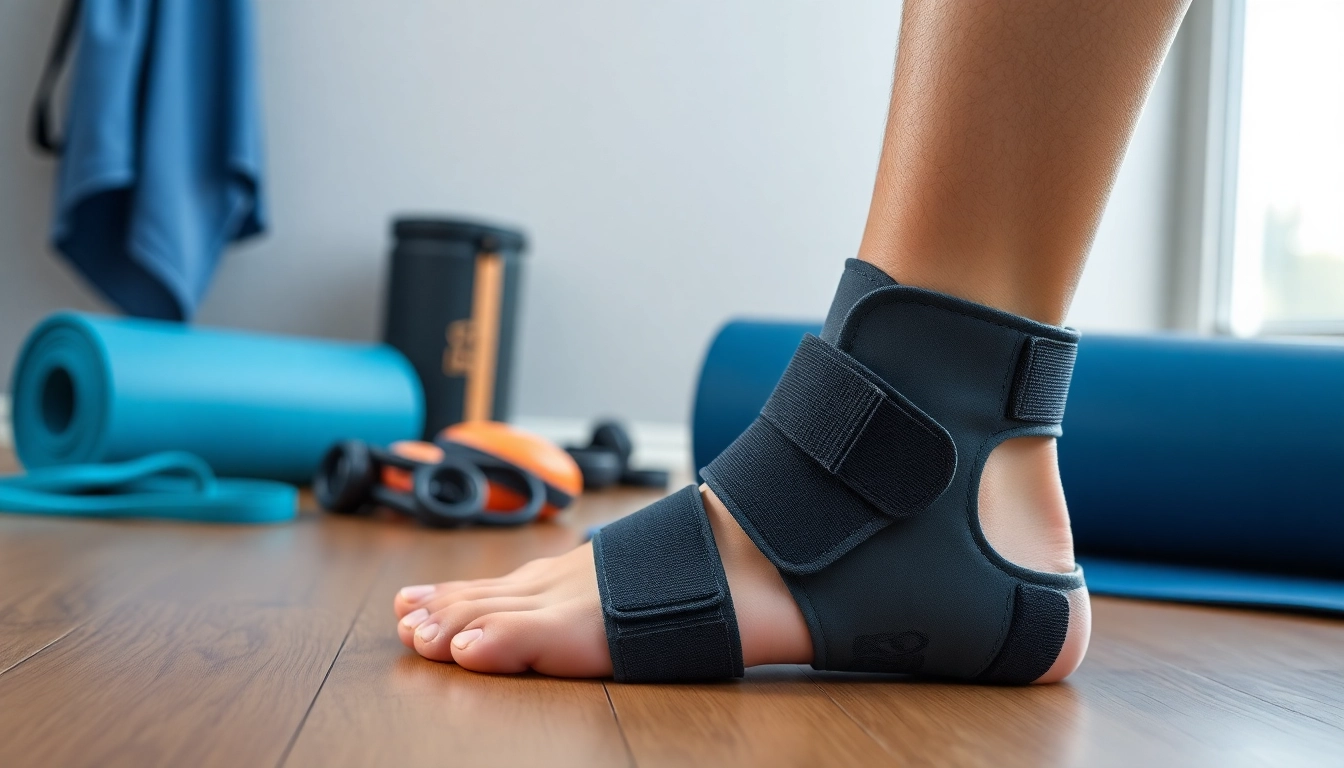
Ankle braces serve as effective tools for improving dorsiflexion. They can provide necessary support, enhance performance, and promote recovery. By stabilizing the ankle and surrounding muscles, these braces allow for safe movement without exacerbating underlying conditions. Furthermore, various types of braces can be tailored to meet individual needs, making them versatile aids in rehabilitation and prevention.
Factors Preventing Ankle Dorsiflexion
Understanding the factors that contribute to limitations in ankle dorsiflexion is essential for effective treatment and rehabilitation. This section explores the key contributors to restricted movement and how ankle braces can address these challenges.
1. Muscle Support and Relaxation Techniques
Muscle tightness is one of the most significant barriers to proper dorsiflexion. Techniques like stretching, strengthening exercises, and the use of ankle braces are beneficial in promoting muscle relaxation. Braces, particularly those with compression features, help increase blood flow to the calf and ankle, facilitating muscle relaxation and reducing tension. Regularly using these aids combined with appropriate exercise regimens can lead to marked improvements in mobility.
2. Joint Stability and Mobility Challenges
Joint stability is crucial for proper dorsiflexion. Previous injuries, such as sprains or fractures, can lead to joint stiffness. Ankle braces designed for support, such as stabilizing braces, enhance the structural integrity of the ankle, maintaining proper alignment and allowing for better movement. For those recovering from injuries, semi-rigid braces offer protection while allowing gradual improvement in the range of motion.
3. Enhanced Proprioception: Importance and Methods
Proprioception refers to the body's ability to sense its position in space, which is vital for effective movement. Ankle braces often enhance proprioception by providing feedback about joint position and movement, crucial for controlling dorsiflexion. Improved feedback mechanisms can result in more accurate movements, reducing the risk of further injury. Exercises that focus on balance and coordination can further enhance proprioceptive awareness.
Benefits of Using Ankle Braces for Dorsiflexion
The use of ankle braces for addressing dorsiflexion limitations offers several benefits. Understanding these advantages can aid individuals in making informed decisions about their ankle health.
1. Improved Muscle Circulation and Relaxation
Ankle braces, especially those that provide elastic compression, can significantly enhance circulation to the area. Enhanced blood flow is vital for muscle nourishment and recovery. Improved circulation leads to better oxygenation and nutrient delivery, which assists in muscle relaxation and reduces tension. This effect is particularly beneficial for individuals with tight calf muscles that hinder dorsiflexion.
2. Enhanced Joint Stability through Structural Support
Joint stability is essential, especially post-injury or in individuals with a history of ankle problems. Stabilizing braces provide crucial support to the ankle joint, ensuring proper alignment of the bones during movement. This stability allows for smoother motion, reducing the risk of re-injury while promoting recovery. As a result, individuals can work towards increasing their dorsiflexion range safely.
3. Proprioception Enhancement for Better Movement Control
Many ankle braces are designed to improve proprioception, allowing for better control during dorsiflexion movements. Enhanced proprioceptive feedback assists the body in responding more effectively to balance challenges, thereby reducing the risk of falls and injuries.
Selecting the Right Ankle Brace
With various options available, selecting the right ankle brace is critical for achieving the desired outcomes in dorsiflexion improvement. This section provides insights into how to make the best choice.
1. Types of Ankle Braces Available
Different types of ankle braces are designed to address specific needs, including:
- Compression Sleeves: These are often used for muscle relaxation and circulation improvement.
- Stabilizing Braces: These offer structural support and are ideal for individuals recovering from injuries.
- Functional Braces: Designed for active individuals, they provide support during physical activities.
- Dorsiflexion Assist Braces: Specifically designed to assist with dorsiflexion, these braces help maintain the foot in a dorsiflexed position.
2. How to Choose Based on Individual Needs
Selecting the right ankle brace depends on several factors, including the specific condition, severity of the issue, and personal comfort. Considerations should include the level of support needed, the type of activities you engage in, and any advice from healthcare professionals regarding your condition. It may also be beneficial to try different styles to understand which offers the most comfort and support.
3. Consulting Healthcare Professionals for Guidance
Before choosing an ankle brace, consulting with a healthcare professional or physical therapist can provide valuable insights. They can assess your condition and recommend the most suitable brace for your needs, ensuring that you are effectively addressing any limitations in your ankle mobility.
Future Trends in Ankle Support and Dorsiflexion
The field of ankle support and rehabilitation is evolving rapidly, with new innovations on the horizon. Understanding upcoming trends is essential for both healthcare professionals and individuals looking to enhance their ankle mobility.
1. Innovative Materials and Designs for Ankle Braces
Future ankle braces are likely to incorporate advanced materials that provide better support while remaining lightweight and comfortable. Innovations may include smart fabric technology that adjusts support based on movement or temperature, ensuring optimal performance during various activities.
2. Predicted Advances in Rehabilitation Techniques
As our understanding of biomechanics improves, rehabilitation techniques will evolve. Incorporating technology, such as motion sensor devices and virtual reality, may facilitate more effective rehabilitation protocols, allowing for personalized approaches based on individual progress.
3. Insights from 2026: Where is the Industry Heading?
By 2026, we can expect wider availability of customized ankle braces that are tailored to individual needs. With advancements in 3D printing and biomechanical analysis, patients will have access to ankle supports designed specifically for their biomechanics and recovery needs, promoting better outcomes and enhanced mobility.