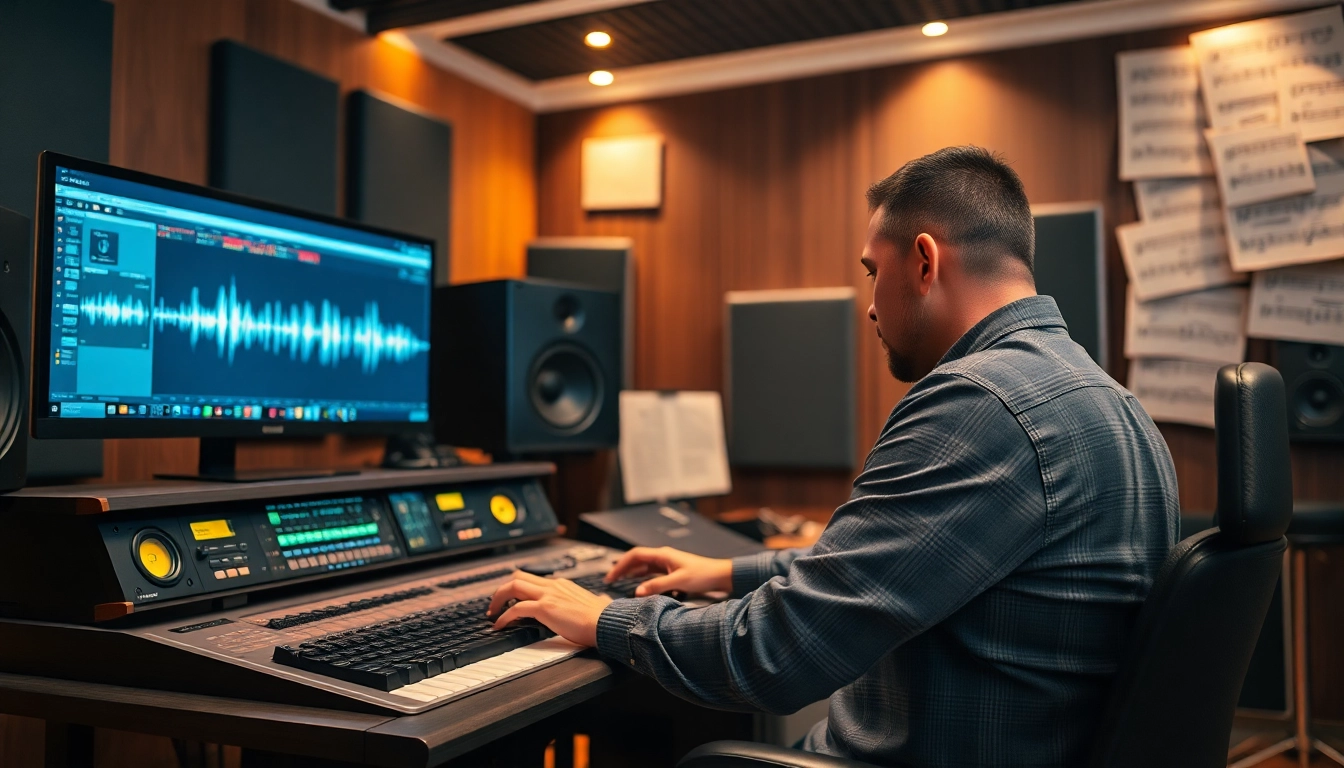
Understanding Online Mastering Services
What Are Online Mastering Services?
Online mastering services refer to a streamlined process wherein music tracks are professionally mixed and prepared for distribution remotely via the internet. Unlike traditional in-studio mastering, this digital approach allows artists, producers, and bands to collaborate with skilled audio engineers no matter their geographic location. By uploading their tracks to a selected service's platform, clients receive expert feedback and polished audio files, culminating in a final mastered version ready for various platforms. The advent of online mastering services has democratized high-quality audio production, enabling musicians at all levels to achieve professional sounding recordings efficiently.
Benefits of Choosing Online Mastering
There are several compelling benefits to selecting online mastering over traditional studio sessions. Firstly, cost savings are significant; operating online means fewer overheads for mastering engineers, translating into more competitive pricing for clients. Secondly, flexibility is enhanced, allowing musicians to work at their own pace and on their own schedules, with many services offering a quick turnaround time without compromising quality. Moreover, employing online mastering services often leads to broader access to a variety of engineering styles, allowing clients to choose a mastering engineer whose work resonates with their vision.
How Online Mastering Works in Practice
The process of online mastering typically begins with the upload of audio tracks by the client. Most services provide detailed guidelines on the optimal formats and specifications required for mastering. Once the tracks are uploaded, a mastering engineer will evaluate the material, often communicating with the client to understand their specific sound preferences and artistic goals. After mastering, clients receive a link to download their polished tracks, along with feedback and potentially unlimited revisions, ensuring satisfaction before the final delivery.
How to Choose the Right Online Mastering Service
Key Factors to Consider When Selecting a Service
When navigating the multitude of online mastering services available, several factors should steer your decision-making. Primarily, consider the engineer's experience and expertise. A seasoned professional will have a greater understanding of the nuances required to bring out the best in any track. User-friendly interfaces and clear communication processes are also essential to enhance the collaboration experience. Lastly, evaluate the service’s responsiveness to client feedback, as open lines of communication can significantly contribute to a satisfactory final product.
Comparing Pricing Models and Packages
Pricing structures for online mastering services can vary widely depending on the features offered. Some services operate on a per-track basis, while others may offer bulk packages for artists with multiple tracks or albums. It’s critical to assess what each package includes; for instance, some may provide additional revisions or specific audio formats that cater to your distribution needs. Always ensure you understand what’s covered in the price to avoid any unexpected costs.
Evaluating Quality and Client Testimonials
Quality assurance is a crucial aspect when selecting an online mastering service. A great way to gauge a service's reliability is through client testimonials and reviews. Look for platforms that showcase before-and-after examples of their work or case studies demonstrating their impact on artists' final productions. Listening to samples of prior mastered tracks can provide insight into an engineer's ability to enhance audio lifeforce and clarity, thus enabling informed choices for your own music.
The Online Mastering Process Explained
Pre-Mastering Preparation for Optimal Results
Preparation is key to achieving the best results in online mastering. Begin by ensuring that your mix is as balanced as possible before sending it for mastering. This includes checking the levels, ensuring clarity and separation in the mix, and removing any extraneous noise. Additionally, provide the mastering engineer with relevant background information, such as the intended distribution platforms (streaming services, vinyl, etc.) and any specific sound references that represent your vision. Properly labeling your tracks and sending them in the correct file formats can further streamline the process.
Step-by-Step of Online Mastering Process
The Step-by-Step process of online mastering encompasses several phases. First, upload the prepared tracks to the mastering service platform. Following the submission, the mastering engineer will listen to the tracks in their entirety to assess the audio quality. Adjustments are then made to enhance balance, loudness, dynamics, and tonal clarity. Once the initial mastering is complete, the engineer will send a demo back to the client for review. Based on the feedback received, further adjustments can be made before final delivery of the mastered audio files.
Understanding Master Formats and Deliverables
Once mastering is finalized, it’s important to comprehend the various formats in which your track can be delivered. Common deliverables may include WAV, MP3, or FLAC, along with specific formats tailored for platforms like Spotify, Apple Music, or SoundCloud. Many online mastering services also offer nuanced deliveries such as vinyl-ready formats or stems for remixing. Ensure that you specify your desired formats when discussing the project with your engineer to guarantee the most suitable outputs for your distribution needs.
Common Misconceptions About Online Mastering Services
Debunking Myths Around Online vs. In-Studio Mastering
A prevalent misconception is that online mastering can’t match the quality of in-studio sessions. While studio environments offer certain advantages, such as equipment and acoustics, many online mastering professionals have honed their skills using cutting-edge tools to achieve high-quality results. Additionally, the continuous improvement of digital technology allows online masters to compete on a level playing field with their in-studio counterparts.
Clarifying Turnaround Times and Communication
Another area rife with misunderstanding pertains to turnaround times and communication. Some may assume that online mastering equates to longer wait times, but reputable services often provide quick turnaround options without sacrificing quality. Clear communication is paramount; many platforms develop systems that keep clients informed during the mastering process. Understanding your service’s communication protocols can alleviate concerns over project timelines.
Understanding Audio Quality and Results Expectations
Many newcomers to online mastering may believe that the quality of a final master is solely dependent on the mastering engineer’s skills. However, audio quality is fundamentally linked to the original mix quality. While mastering can enhance and polish a track, it cannot resolve major mix issues. Clients must maintain realistic expectations about the relative contributions of mixing and mastering to a track's overall sound.
Maximizing Your Audio Quality in Online Mastering
Best Practices for Preparing Tracks for Mastering
To maximize audio quality during the mastering phase, adhere to best practices for track preparation. Ensure your tracks are mixed at a sufficient level below 0 dBFS to prevent clipping. Utilize high-quality audio files and keep processing (such as compression and EQ) to a minimum in the mixing stage, allowing the mastering engineer to apply their expertise effectively. Additionally, monitor your mixes on various playback systems to identify potential weaknesses before submitting them.
Tips for Collaborating with Your Engineer
Effective collaboration with your mastering engineer can greatly enhance the outcome of your project. Be transparent about your artistic vision and any references that inspire you. Providing constructive feedback is also crucial; share detailed comments reflecting what you like or dislike about a preliminary master. Open communication fosters a collaborative environment, ultimately leading to results that align closely with your expectations.
Using Feedback for Improved Mastering Outcomes
Feedback is an essential tool in refining the mastering process. After receiving your first mastered track, consider sharing the master with a select group of trusted individuals to gather diverse opinions. Utilize their insights to inform any additional changes. It's important to approach feedback critically and address aspects that directly align with your creative goals, ensuring the final master represents your vision authentically.
Frequently Asked Questions
1. How long does the online mastering process take?
Typically, online mastering can take anywhere from a few hours to a few days, depending on the service. Many platforms offer expedited options for an additional fee.
2. Can I make revisions after the mastering is done?
Absolutely! Most online mastering services allow for a specified number of revisions to ensure you are satisfied with the final product.
3. What file format should I prepare for mastering?
It's best to prepare your tracks in WAV or AIFF format, with a depth of 24-bit or higher. Check specific requirements with your chosen mastering service.
4. Is online mastering suitable for all genres of music?
Yes, online mastering caters to all music genres. Professional mastering engineers possess various techniques to enhance different styles effectively.
5. Will online mastering match the quality of studio mastering?
With the right expert and advanced technology, online mastering can achieve quality comparable to traditional studio mastering, often at lower costs.