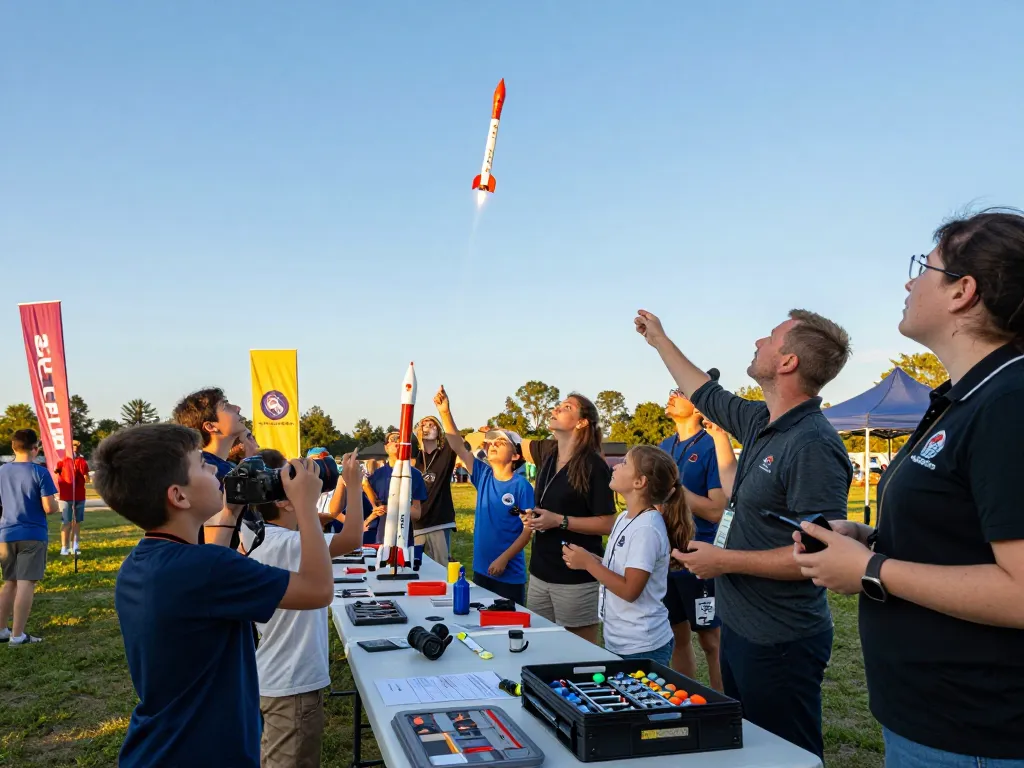
Understanding Model Rockets: A Beginner’s Guide
Model rocketry is an engaging hobby that combines the excitement of flight with the principles of science, technology, engineering, and mathematics (STEM). As you delve into the world of model rockets, you’ll find that it’s not just about launching rockets into the sky; it’s about understanding the mechanics behind them and fostering a passion for exploration. If you’re new to this thrilling pastime, model rockets can be an excellent gateway to learning about physics, aerodynamics, and engineering principles.
What Are Model Rockets?
Model rockets are small, scaled-down models of actual rockets designed for vertical flight. These rockets are typically made from lightweight materials like cardboard, plastic, and balsa wood, and they are powered by solid rocket engines. Their non-threatening size and weight allow them to reach impressive altitudes while being safely recoverable through various recovery systems, such as parachutes or streamers.
Key Components of Model Rockets
Understanding the different components of model rockets is crucial for building and launching them successfully. Here are the primary parts:
- Airframe: The main body of the rocket that houses all other components.
- Fin: Stabilizes the rocket during flight by providing aerodynamic control.
- Nose Cone: Reduces drag and allows for smoother ascent.
- Rocket Engine: Provides thrust to propel the rocket upwards.
- Recovery System: Ensures the rocket can be safely returned to the ground after its flight.
Main Types of Model Rocket Kits
Model rocket kits come in various types to cater to different levels of expertise and purposes:
- Ready-to-Fly Kits: Ideal for beginners; these kits come with pre-assembled components.
- Build-It-Yourself Kits: Encourage creativity and engineering skills, requiring assembly from scratch.
- Educational Kits: Designed for schools and STEM programs, focusing on teaching specific scientific principles.
Choosing the Right Model Rockets for Your Needs
Selecting the appropriate model rocket kit is crucial for ensuring an enjoyable experience. Depending on skill level, intended use, and educational goals, here are several factors to consider:
Factors to Consider When Selecting Rocket Kits
When choosing a model rocket kit, consider the following:
- Skill Level: Beginners should start with kits that are easy to assemble, while experienced hobbyists can opt for more complex designs.
- Purpose: Are you launching for educational purposes, personal enjoyment, or competition? The purpose can guide your choice.
- Size and Weight: Larger rockets may require more expertise and safety measures.
Recommended Kits for Beginners
For those just starting with model rocketry, the following kits are highly recommended:
- Sky Piercer Starter Set: A ready-to-fly model rocket that comes with engines, perfect for first-time fliers.
- Star Chaser Team Class Pack: Includes ten model rocket kits, ideal for classroom projects and teaching groups.
Educational Options for Schools
Model rocket kits can play a significant role in STEM education, helping students understand complex scientific concepts. Options such as the Star Chaser Team Class Pack can foster teamwork and curiosity in young minds, igniting their passion for science.
Preparing for a Successful Launch
After choosing the right model rocket kit, preparation is key for a successful launch. This section details essential equipment and safety guidelines.
Essential Equipment for Launching Model Rockets
Before launching, ensure you have the following equipment:
- Launch Pad: Serves as a stable base for your rocket during launch.
- Launch Controller: Allows for ignition of the rocket engine from a safe distance.
- Recovery System: Parachutes or streamers to safely return the rocket to the ground.
Safety Guidelines and Best Practices
Safety is paramount when launching model rockets. Follow these best practices:
- Always launch in an open area, away from buildings, trees, and power lines.
- Follow local regulations regarding model rocket launches.
- Wear safety glasses during launch.
- Check weather conditions before launching; avoid windy days.
Understanding Rocket Motors and Their Specifications
Rocket motors are the power source for your model rocket, and understanding their specifications is vital for safe and successful launches. Key specifications include:
- Thrust: The force the motor generates at launch.
- Burn Time: Duration the motor produces thrust.
- Impulse: Total delivered thrust over the burn time, which affects altitude.
Troubleshooting Common Launch Issues
Even with careful preparation, you may encounter issues during a launch. Understanding these can help troubleshoot effectively.
5 Causes of Rocket Motor Misfires
Common causes of rocket motor misfires include:
- Faulty igniters or connections.
- Poor motor installation.
- Moisture in the engine.
- Incompatible components.
- Improper launch conditions (e.g., wind, humidity).
Addressing Assembly Mistakes and Fixes
When building model rockets, mistakes in assembly can lead to failures in flight. Common errors include:
- Using the wrong adhesive.
- Improperly aligning fins.
- Neglecting the recovery system.
To fix these issues, double-check instructions and perform regular inspections.
Tips for Ensuring a Smooth Launch Experience
To enhance your launch experience, consider the following tips:
- Practice dry runs of your launch setup.
- Involve friends or family for extra hands and support.
- Keep a launch log to track your flights and any issues encountered.
The Future of Model Rockets and STEM Education
As we look ahead to 2026, the landscape of model rocketry and its role in education is expected to evolve. Here are some emerging trends and insights.
Emerging Trends in Model Rocketry for 2026
In the coming years, advancements in technology may lead to:
- Increased use of lightweight materials for better performance.
- Integration of electronics and telemetry for data collection during flights.
- Enhanced community engagement through online platforms and events.
The Role of Model Rockets in STEM Learning
Model rockets provide hands-on learning opportunities in STEM subjects. They encourage problem-solving, critical thinking, and teamwork, vital skills for today’s educational landscape.
How to Get Involved with the Rocketry Community
Joining the rocketry community can enhance your learning experience. Consider:
- Participating in local rocketry clubs.
- Attending workshops and launch events.
- Engaging with online forums for sharing experiences and advice.
What safety precautions should I take when launching model rockets?
Always ensure to follow established safety guidelines, such as maintaining a safe distance from the launch site and using approved launch equipment.
Can I fly model rockets in urban areas?
Launching model rockets in urban areas may require special permissions, and caution should be exercised to avoid hazards to people and property.
What are the key differences between various model rocket engines?
Differences in rocket engines include thrust, burn time, and total impulse, all of which influence how high and fast the rocket will fly.
How do I maintain my model rockets after launching?
Post-launch, check for any damage and perform regular maintenance, such as cleaning parts and storing the rocket appropriately to extend its lifespan.
What are the best model rocket kits for advanced hobbyists?
Advanced hobbyists may explore complex kits that allow for customization and include features such as multi-stage launches or high-thrust engines.