Posted on

Essential Ankle Brace to Prevent Dorsiflexion: 2026 Benefits and Insights

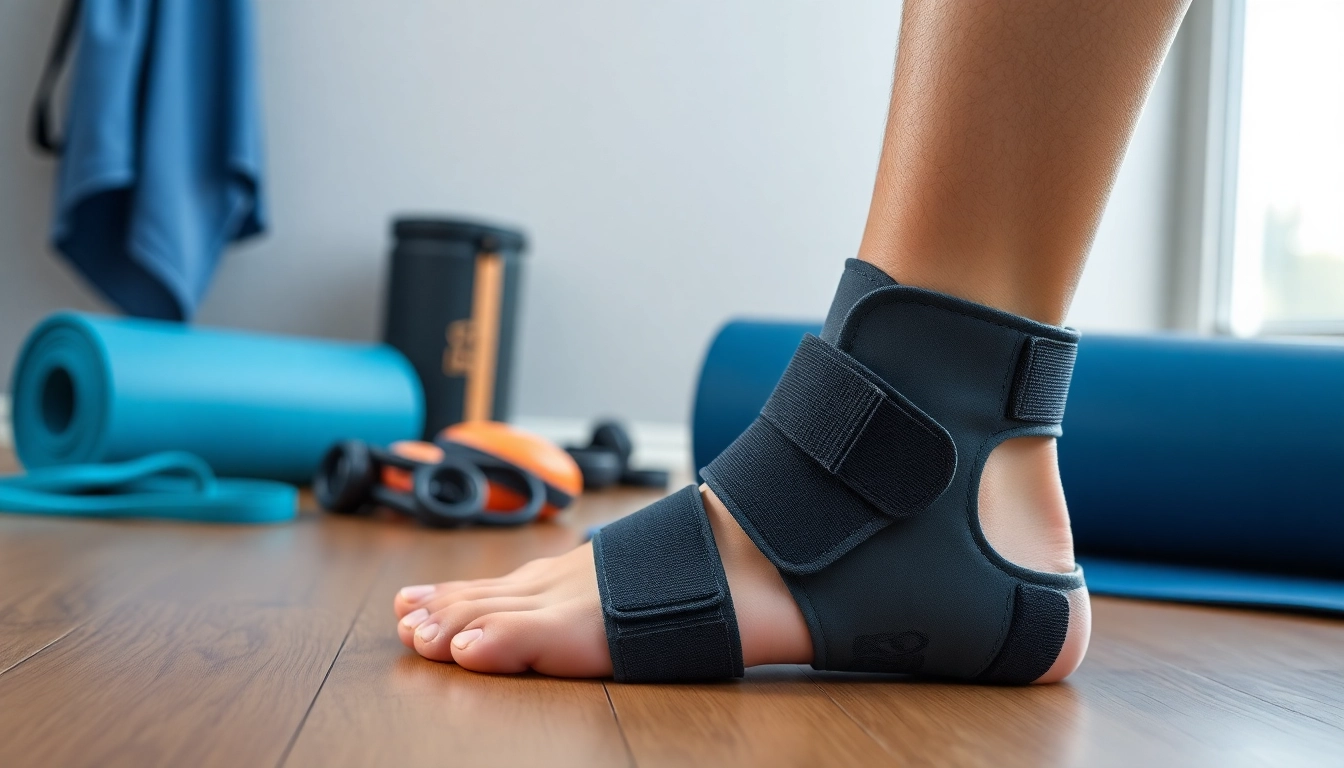
Ankle brace to prevent dorsiflexion, displayed with athletic gear, showcasing its supportive design and promoting mobility.

Understanding Ankle Dorsiflexion

Ankle dorsiflexion plays a critical role in our daily movements and athletic performance. It refers to the movement where the toes point upward towards the shin, allowing the foot to flex at the ankle joint. Maintaining proper dorsiflexion is essential for various activities such as walking, running, and jumping. Unfortunately, many individuals experience limitations in this range of motion due to several factors, from muscle tightness to previous injuries. Addressing these limitations can significantly enhance mobility and reduce the risk of injury. When exploring options, an ankle brace to prevent dorsiflexion provides comprehensive insights into how support can enhance your range of motion.

What is Dorsiflexion and Why It Matters

Dorsiflexion is not just a physiological action; it is fundamental for everyday tasks and athletic activities. For example, adequate dorsiflexion is vital for a proper walking gait, as it facilitates a smooth transition from heel strike through toe-off. Without sufficient dorsiflexion, individuals may adopt compensatory movement patterns, leading to overuse injuries and impaired performance. Understanding dorsiflexion helps in recognizing its importance for joint health and overall mobility.

Common Conditions Affecting Dorsiflexion

Several conditions can impair ankle dorsiflexion. Some of the most common include:

  • Muscle Tightness: Tight calf muscles (gastrocnemius and soleus) can significantly restrict dorsiflexion.
  • Ankle Joint Stiffness: Joint issues stemming from injuries or conditions like arthritis can restrict mobility.
  • Neurological Conditions: Conditions like stroke or multiple sclerosis can affect the nervous system’s ability to control muscle function in the ankle.
  • Foot Drop: This condition, often resulting from nerve damage, prevents the foot from being lifted, significantly inhibiting dorsiflexion.

The Role of Ankle Braces in Dorsiflexion

Ankle braces serve as effective tools for improving dorsiflexion. They can provide necessary support, enhance performance, and promote recovery. By stabilizing the ankle and surrounding muscles, these braces allow for safe movement without exacerbating underlying conditions. Furthermore, various types of braces can be tailored to meet individual needs, making them versatile aids in rehabilitation and prevention.

Factors Preventing Ankle Dorsiflexion

Understanding the factors that contribute to limitations in ankle dorsiflexion is essential for effective treatment and rehabilitation. This section explores the key contributors to restricted movement and how ankle braces can address these challenges.

1. Muscle Support and Relaxation Techniques

Muscle tightness is one of the most significant barriers to proper dorsiflexion. Techniques like stretching, strengthening exercises, and the use of ankle braces are beneficial in promoting muscle relaxation. Braces, particularly those with compression features, help increase blood flow to the calf and ankle, facilitating muscle relaxation and reducing tension. Regularly using these aids combined with appropriate exercise regimens can lead to marked improvements in mobility.

2. Joint Stability and Mobility Challenges

Joint stability is crucial for proper dorsiflexion. Previous injuries, such as sprains or fractures, can lead to joint stiffness. Ankle braces designed for support, such as stabilizing braces, enhance the structural integrity of the ankle, maintaining proper alignment and allowing for better movement. For those recovering from injuries, semi-rigid braces offer protection while allowing gradual improvement in the range of motion.

3. Enhanced Proprioception: Importance and Methods

Proprioception refers to the body’s ability to sense its position in space, which is vital for effective movement. Ankle braces often enhance proprioception by providing feedback about joint position and movement, crucial for controlling dorsiflexion. Improved feedback mechanisms can result in more accurate movements, reducing the risk of further injury. Exercises that focus on balance and coordination can further enhance proprioceptive awareness.

Benefits of Using Ankle Braces for Dorsiflexion

The use of ankle braces for addressing dorsiflexion limitations offers several benefits. Understanding these advantages can aid individuals in making informed decisions about their ankle health.

1. Improved Muscle Circulation and Relaxation

Ankle braces, especially those that provide elastic compression, can significantly enhance circulation to the area. Enhanced blood flow is vital for muscle nourishment and recovery. Improved circulation leads to better oxygenation and nutrient delivery, which assists in muscle relaxation and reduces tension. This effect is particularly beneficial for individuals with tight calf muscles that hinder dorsiflexion.

2. Enhanced Joint Stability through Structural Support

Joint stability is essential, especially post-injury or in individuals with a history of ankle problems. Stabilizing braces provide crucial support to the ankle joint, ensuring proper alignment of the bones during movement. This stability allows for smoother motion, reducing the risk of re-injury while promoting recovery. As a result, individuals can work towards increasing their dorsiflexion range safely.

3. Proprioception Enhancement for Better Movement Control

Many ankle braces are designed to improve proprioception, allowing for better control during dorsiflexion movements. Enhanced proprioceptive feedback assists the body in responding more effectively to balance challenges, thereby reducing the risk of falls and injuries.

Selecting the Right Ankle Brace

With various options available, selecting the right ankle brace is critical for achieving the desired outcomes in dorsiflexion improvement. This section provides insights into how to make the best choice.

1. Types of Ankle Braces Available

Different types of ankle braces are designed to address specific needs, including:

  • Compression Sleeves: These are often used for muscle relaxation and circulation improvement.
  • Stabilizing Braces: These offer structural support and are ideal for individuals recovering from injuries.
  • Functional Braces: Designed for active individuals, they provide support during physical activities.
  • Dorsiflexion Assist Braces: Specifically designed to assist with dorsiflexion, these braces help maintain the foot in a dorsiflexed position.

2. How to Choose Based on Individual Needs

Selecting the right ankle brace depends on several factors, including the specific condition, severity of the issue, and personal comfort. Considerations should include the level of support needed, the type of activities you engage in, and any advice from healthcare professionals regarding your condition. It may also be beneficial to try different styles to understand which offers the most comfort and support.

3. Consulting Healthcare Professionals for Guidance

Before choosing an ankle brace, consulting with a healthcare professional or physical therapist can provide valuable insights. They can assess your condition and recommend the most suitable brace for your needs, ensuring that you are effectively addressing any limitations in your ankle mobility.

Future Trends in Ankle Support and Dorsiflexion

The field of ankle support and rehabilitation is evolving rapidly, with new innovations on the horizon. Understanding upcoming trends is essential for both healthcare professionals and individuals looking to enhance their ankle mobility.

1. Innovative Materials and Designs for Ankle Braces

Future ankle braces are likely to incorporate advanced materials that provide better support while remaining lightweight and comfortable. Innovations may include smart fabric technology that adjusts support based on movement or temperature, ensuring optimal performance during various activities.

2. Predicted Advances in Rehabilitation Techniques

As our understanding of biomechanics improves, rehabilitation techniques will evolve. Incorporating technology, such as motion sensor devices and virtual reality, may facilitate more effective rehabilitation protocols, allowing for personalized approaches based on individual progress.

3. Insights from 2026: Where is the Industry Heading?

By 2026, we can expect wider availability of customized ankle braces that are tailored to individual needs. With advancements in 3D printing and biomechanical analysis, patients will have access to ankle supports designed specifically for their biomechanics and recovery needs, promoting better outcomes and enhanced mobility.

Posted on

Enhancing Your Mental Wellness: Practical Strategies for Daily Improvement

Understanding Mental Wellness

Mental wellness is a vital component of our overall health, yet it often gets overshadowed by its more frequently discussed counterpart, mental health. Understanding what mental wellness entails is essential for fostering a life filled with purpose and joy. Unlike mental health, which broadly refers to the psychological state and disorders, mental wellness focuses on the proactive practices that enhance our psychological well-being. It encompasses self-reflection, emotional resilience, and the ability to cope with stress or challenges as they arise.

Defining Mental Wellness and Its Importance

Mental wellness is defined as a state of well-being where an individual can realize their own abilities, cope with the normal stresses of life, work productively, and contribute to their community. This concept emphasizes not just the absence of mental illness, but the presence of positive characteristics, such as emotional stability, self-esteem, and life satisfaction. The importance of mental wellness cannot be overstated; it affects how we think, feel, and act, influencing every area of our lives, from our personal relationships to our professional performance.

The Difference Between Mental Health and Mental Wellness

While the terms ‘mental health’ and ‘mental wellness’ are often used interchangeably, there are critical distinctions between them. Mental health refers mainly to how we think, feel, and behave and can be assessed in terms of psychological disorders. In contrast, mental wellness is more about the proactive pursuit of well-being, encompassing activities and habits that enhance one’s quality of life. Recognizing this difference is crucial in promoting mindful practices and interventions targeted at improving one’s emotional and mental state.

Common Misconceptions about Mental Wellness

Misunderstandings about mental wellness can lead to stigmas and prevent individuals from seeking help or adopting positive habits. One common misconception is that people who are mentally well do not experience negative emotions or stress. In reality, mental wellness involves recognizing, processing, and managing these feelings effectively. Another misconception is that mental wellness is solely the responsibility of individuals. In truth, a supportive community and environment play a significant role in facilitating mental wellness.

Signs and Symptoms of Poor Mental Wellness

Identifying Warning Signs in Yourself

Self-awareness is a vital skill in recognizing the signs of poor mental wellness. Some key indicators include persistent feelings of sadness or anxiety, changes in appetite or sleep patterns, difficulty concentrating, and loss of interest in activities once enjoyed. Individuals may also experience increased irritability, withdrawal from social interactions, or negative self-talk. Being attuned to these signs is the first step toward improvement and seeking appropriate interventions.

Recognizing Signs in Others

It’s equally important to recognize signs of poor mental wellness in others. Friends, family, or colleagues might show changes in behavior, exhibit mood swings, or become unusually withdrawn. Look for signs of neglect in personal care, sudden shifts in work performance, or expressions of hopelessness. Showing empathy and understanding can encourage those struggling to seek help or open up about their feelings, reducing isolation.

When to Seek Help for Mental Wellness Issues

Determining when to seek help can be challenging. If you or someone you know is experiencing persistent feelings of distress, it is vital to consult with a mental health professional. Additional warning signs include thoughts of self-harm, substance abuse as a coping mechanism, or a noticeable decline in daily functioning. Early intervention is crucial for effective recovery and can significantly enhance one’s ability to manage mental wellness.

Effective Strategies to Improve Mental Wellness

Daily Habits that Foster Mental Wellness

Integrating daily habits that support mental wellness is essential for long-term benefits. This includes establishing a routine that provides structure, engaging in regular physical activity, and practicing gratitude by noting things you are thankful for each day. Additionally, fostering hobbies and interests, even small ones, can ignite joy and purpose. Allocating time for relaxation and unwinding is equally crucial; consider techniques like deep breathing or setting aside moments for daily reflection.

The Role of Nutrition and Exercise

Physical health is intrinsically linked to mental wellness, and this connection begins with nutrition and exercise. A balanced diet rich in fruits, vegetables, whole grains, and healthy fats can boost mood and cognitive function. Regular exercise releases endorphins, which are natural mood lifters. Aim for at least 30 minutes of moderate activity most days. Incorporating both nutrition and exercise into our daily lives lays a strong foundation for supporting mental wellness.

Mindfulness and Its Impact on Mental Wellness

Mindfulness practices, such as meditation and yoga, have been shown to significantly improve mental wellness. These techniques encourage individuals to focus on the present moment, reducing anxiety and stress. Research suggests that mindfulness can alter brain function, enhancing emotional regulation and self-awareness. Starting with just a few minutes each day can lead to increased resilience against life’s challenges and promote overall well-being.

The Influence of Relationships on Mental Wellness

Building Supportive Connections

Strong relationships and social connections are critical components of mental wellness. Surrounding ourselves with supportive individuals fosters a sense of belonging and security. It is essential to maintain healthy relationships that provide encouragement and understanding. This may involve reaching out to friends, joining community groups, or seeking like-minded individuals who share similar interests. Building a reliable support network can enhance emotional resilience.

Setting Boundaries for Better Mental Wellness

Setting boundaries is vital in maintaining mental wellness. Recognizing when to say no can prevent burnout and stress. Establishing limits in personal and professional relationships allows individuals to take charge of their energy and time. Learning to communicate needs and feelings effectively can help cultivate healthier dynamics, leading to improved overall mental wellness.

Communicating Effectively for Mental Wellness

Effective communication is essential for strengthening relationships and promoting mental wellness. This includes not only expressing thoughts and feelings but also actively listening to others. Open dialogue fosters understanding and empathy, which are crucial in addressing problems and conflicts. Establishing a culture of honesty and respect within relationships greatly contributes to mental wellness.

Measuring Your Mental Wellness Progress

Setting and Achieving Goals

Setting specific, measurable, achievable, relevant, and time-bound (SMART) goals is an effective way to track progress in mental wellness. Goals might include improving emotional regulation, engaging in mindfulness practices several times a week, or expanding social connections. Regularly evaluating these goals allows for adaptation and ensures continued growth and commitment to mental wellness.

Using Journals to Track Emotional States

Keeping a journal can be a powerful tool for tracking emotional states and reflecting on experiences. Regular journaling encourages self-reflection, identifying triggers, and understanding patterns in emotions. This practice can enhance awareness and promote mindfulness, making it easier to navigate stress more effectively. Many find that journaling provides clarity and a sense of control in their mental wellness journey.

Evaluating Changes in Mental Wellness Over Time

Evaluating changes in mental wellness over time is crucial for recognizing growth or areas needing improvement. Regular assessments can be held monthly or quarterly, measuring satisfaction levels across different aspects of life. Simple self-assessment quizzes or mood trackers can provide insights into mental wellness trends. Acknowledging milestones, no matter how small, reinforces motivation and ongoing commitment to wellness.

Frequently Asked Questions

1. What is the difference between mental wellness and mental health?

Mental wellness is a proactive approach focusing on enhancing well-being, while mental health encompasses psychological states and disorders.

2. How can I improve my mental wellness daily?

Incorporate daily habits like physical exercise, healthy eating, mindfulness practices, and fostering supportive relationships.

3. What are common signs of poor mental wellness?

Signs include persistent sadness, irritability, withdrawal from social activities, changes in sleep, and lack of focus.

4. When should I seek professional help for mental wellness?

Seek help if you experience prolonged distress, have thoughts of self-harm, or notice a significant decline in daily functioning.

5. How can relationships impact my mental wellness?

Supportive relationships enhance feelings of belonging and security, while toxic ones can lead to stress and impede wellness.