
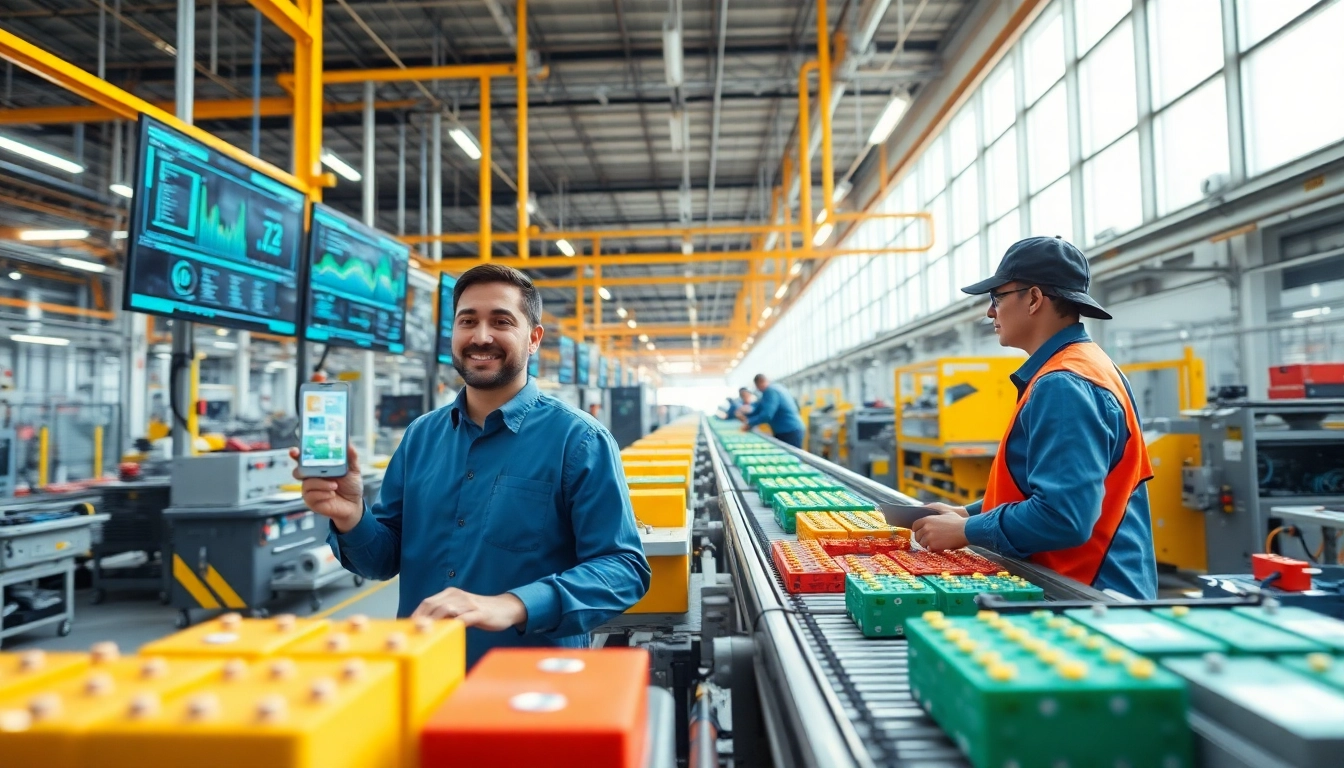
Understanding Factory Traceability Software
In today’s fast-paced manufacturing landscape, the need for transparency and accountability has never been more crucial. As companies strive to meet increasing consumer demands and regulatory requirements, the role of factory traceability software has become central to sustaining a competitive edge. This software serves as a vital tool for tracking products throughout the manufacturing process, ensuring that every item can be accounted for from raw materials to finished goods. The evolution of factory traceability software is reshaping how manufacturers operate, giving rise to greater control and efficiency across the entire supply chain.
What is Factory Traceability Software?
Factory traceability software is a specialized application designed to track and manage the flow of products through the manufacturing process. It captures critical data points at every stage, enabling organizations to maintain clear visibility of their inventory and compliance with industry standards. The primary functions of such software include tracking raw materials, monitoring production processes, and providing detailed insights into product quality.
By employing various technologies like barcode scanning, RFID, and IoT devices, factory traceability software can ensure that every item produced can be uniquely identified and traced back through the supply chain. The automation of data collection not only improves accuracy but also helps reduce labor costs and human error.
Importance of Traceability in Manufacturing
The importance of traceability in manufacturing cannot be understated. It provides a framework for managing quality control, improving operational efficiency, and ensuring compliance with regulatory requirements. Traceability allows manufacturers to pinpoint the origin of defects or quality issues, facilitating quicker resolutions and minimizing the impact on production. Furthermore, as consumers become more conscious of product sourcing and safety standards, manufacturers must demonstrate their commitment to quality and transparency.
Traceability also plays a significant role in crisis management. In the event of a product recall, having a robust traceability system in place enables manufacturers to quickly identify affected batches, thereby safeguarding consumer trust and brand reputation.
Key Features of Effective Traceability Solutions
To effectively support manufacturers in their operations, factory traceability software should encompass several key features:
- Real-Time Data Tracking: The ability to access live data about inventory levels, production progress, and quality assessments.
- Comprehensive Reporting: Built-in tools for generating detailed reports on various metrics—facilitating analysis and decision-making.
- Integration Capabilities: Seamless integration with existing ERP and manufacturing systems to ensure a smooth workflow.
- User-Friendly Interface: An intuitive design that enables staff to easily navigate the software without extensive training.
- Customizable Alerts: Automated notifications for deviations from standard processes or alerts on inventory thresholds.
Benefits of Implementing Factory Traceability Software
Enhanced Quality Control Mechanisms
Implementing factory traceability software significantly enhances quality control mechanisms across manufacturing operations. By allowing real-time monitoring of production processes, manufacturers can detect anomalies as they occur, reducing the risk of defective products reaching the market. Early identification of issues not only saves costs associated with recalls but also maintains customer satisfaction. Moreover, with comprehensive data on each batch, manufacturers can implement corrective actions based on historical performance and trends.
Improving Operational Efficiency and Transparency
Operational efficiency is another key benefit of factory traceability software. By streamlining processes such as inventory management and production scheduling, manufacturers can minimize downtime and resource waste. The automation of data collection further accelerates decision-making and resource allocation, leading to a more agile manufacturing environment. Transparency throughout the supply chain becomes easier to achieve, allowing manufacturers to collaborate more effectively with suppliers and stakeholders.
Compliance with Industry Standards and Regulations
Manufacturers must navigate a complex web of regulations and standards that dictate how products should be managed and tracked. Factory traceability software aids in compliance by providing comprehensive documentation of production processes and quality assessments. This ensures that manufacturers can readily respond to audits or regulatory inquiries, thereby minimizing the risk of penalties or reputational damage.
Staying ahead of compliance requirements also positions manufacturers favorably in their markets, as consumers increasingly prefer brands that prioritize transparency and accountability.
Challenges in Adopting Factory Traceability Software
Common Misconceptions about Traceability Solutions
Despite the clear advantages of factory traceability software, several misconceptions continue to linger in the manufacturing community. One common belief is that such software is only beneficial for large enterprises or high-risk industries. In reality, small and medium-sized enterprises (SMEs) can also experience significant benefits from implementing traceability solutions. The scalability of most software options allows businesses of any size to participate in this essential practice.
Overcoming Resistance to Technology Adoption
Resistance to technology adoption is another challenge that manufacturers face. Employees may feel overwhelmed by the prospect of learning new systems, leading to pushback against implementation efforts. Overcoming this resistance requires a commitment to change management strategies, including training programs and ongoing support. By demonstrating the value of the software through pilot programs or case studies, organizations can foster a culture that embraces technological advancement.
Integration Issues with Existing Systems
Integration with existing systems is often cited as a barrier to adopting factory traceability software. Many organizations have legacy systems that may not easily connect with newer technologies. To address this issue, manufacturers should conduct a thorough assessment of their current infrastructure before implementation. Selecting a traceability solution with strong integration capabilities can help bridge the gap and ensure that data flows seamlessly between systems.
Best Practices for Using Traceability Software
Steps to Successfully Implementing Traceability Systems
The successful implementation of factory traceability software involves several critical steps:
- Define Clear Objectives: Establish specific goals for what the software should achieve and align these with broader business objectives.
- Engage Stakeholders: Involve key stakeholders from various departments in the selection process to ensure their needs are met.
- Conduct Training: Develop a comprehensive training plan to equip staff with the skills needed to use the software effectively.
- Test the System: Implement a pilot program to identify any issues before a full rollout.
- Gather Feedback: Continuously solicit feedback from users to make necessary adjustments and improvements.
Training Staff for Effective Use of Software
Proper training is essential for maximizing the benefits of factory traceability software. Organizations should invest time in developing training modules that cover basic functionalities, advanced features, and troubleshooting. Additionally, ongoing training sessions and refresher courses can help maintain high levels of proficiency among staff as software updates and new features are released.
Monitoring and Adjusting Traceability Processes
Once the software is in place, manufacturers should continuously monitor and adjust their traceability processes. Regularly reviewing data and reporting metrics allows organizations to identify areas for improvement. Adjusting workflows based on insights gained through data analysis can lead to even greater efficiency and quality control. Organizations should also remain responsive to changes in regulations and market demands, adapting their traceability practices accordingly.
Future Trends in Factory Traceability for 2026 and Beyond
Incorporating AI and Machine Learning in Traceability
As technology continues to evolve, the integration of artificial intelligence (AI) and machine learning in factory traceability software is expected to become more prevalent. These technologies can enhance predictive analytics, enabling manufacturers to anticipate potential issues and optimize production processes proactively. By analyzing vast datasets, AI can identify patterns that humans may overlook, significantly improving quality control mechanisms.
The Role of IoT in Next-Gen Traceability Solutions
The Internet of Things (IoT) is revolutionizing the approach to traceability in manufacturing. With IoT devices embedded in production equipment, manufacturers can gather real-time data about conditions affecting product quality, such as temperature and humidity. This data can be integrated into traceability systems, providing a comprehensive view of the manufacturing environment and enhancing decision-making capabilities.
Predictions for the Evolution of Manufacturing Traceability
Looking to the future, it is predicted that manufacturing traceability will continue to evolve rapidly. Companies will likely adopt more advanced technologies, such as blockchain, to enhance the accuracy and security of traceability data. This decentralized approach to data management will further increase transparency and build trust among consumers and stakeholders. Additionally, as sustainability becomes a priority, traceability software will play a crucial role in tracking the environmental impact of production processes and materials.