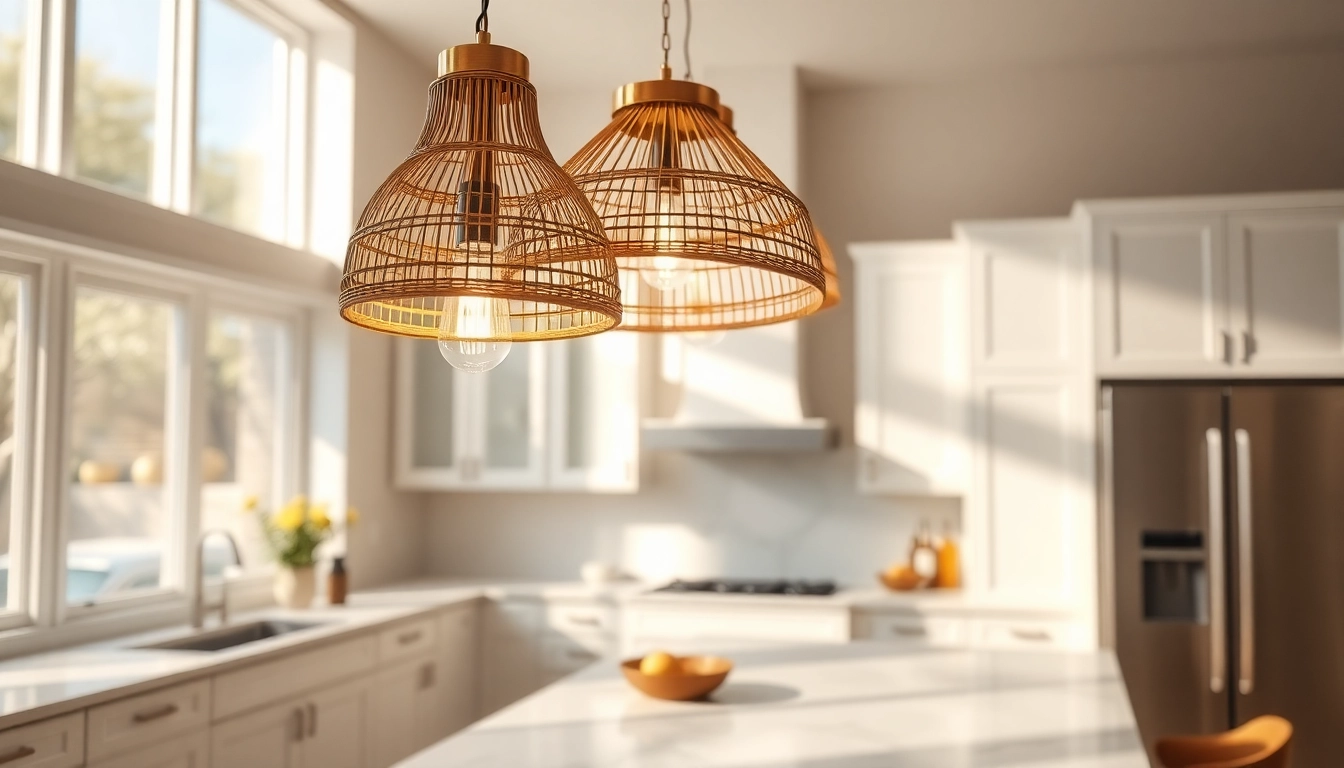
Introduction to the Island Light Fixture
The island light fixture has become a pivotal element in modern interior design, particularly in kitchens and dining areas. These fixtures not only provide essential lighting but also enhance the aesthetic appeal of a space. Whether you are renovating your home or simply updating your lighting, understanding the nuances of this fixture can greatly influence the overall ambiance and functionality of your area.
Definition and Importance
An island light fixture is designed specifically for hanging over islands, counters, and other similar spaces, providing both task lighting and a decorative focal point. Its significance goes beyond mere illumination; it contributes to the mood of the room, influences the perceived size of the space, and can even define the style. The right fixture can seamlessly integrate with your decor while fulfilling practical needs, making it a crucial aspect of any kitchen or dining layout.
The Versatility of Island Light Fixtures
The versatility of island light fixtures is apparent in their wide range of styles, sizes, and functionalities. From rustic designs to sleek contemporary options, these fixtures can adapt to various design schemes. In a modern kitchen, a minimalist pendant might offer a clean look, while a series of antique-style chandeliers could bring warmth and character to a traditional space. Furthermore, many fixtures now feature adjustable heights and dimmable options, enhancing their functionality for various occasions, from family meals to entertaining guests.
Trends in Island Light Fixture Design
Recent trends in island light fixtures highlight the blend of form and function. Open designs that allow the light to diffuse naturally have gained popularity, alongside materials that showcase craftsmanship and sustainability. For example, fixtures made from reclaimed wood or metal are sought after for their eco-friendly footprint. Additionally, mixed material designs—such as combining glass with metal—add depth and visual interest. Statement lighting, where bold fixtures act as a centerpiece, is also a trend that embodies personalization and uniqueness in home design.
Choosing the Right Island Light Fixture for Your Space
Choosing the right island light fixture can seem overwhelming given the array of options available. However, by systematically assessing your space, you can make a more informed decision that suits both your aesthetic preferences and practical needs.
Assessing Your Room’s Style
The first step in selecting an appropriate island light fixture is to evaluate your room’s overall style. Identify the existing decor elements, including color schemes, materials, and furniture styles. For instance, a modern minimalist kitchen benefits from sleek metallic fixtures, while a farmhouse-style kitchen might prefer warmer, more rustic options. Think about how your chosen fixture will complement or contrast with other elements in the space, ensuring a cohesive look.
Understanding Size and Scale
Size and scale are critical factors when selecting an island light fixture. A fixture should neither overpower the space nor appear too diminutive. To determine the appropriate size, measure your island’s dimensions and consider the fixture’s height and width. A good rule of thumb is to ensure that the bottom of the fixture hangs 30 to 36 inches above the countertop. Additionally, consider the number of fixtures; multiple smaller lights may work better than a single large fixture for bigger islands.
Materials and Finishes Considerations
When it comes to materials and finishes, opt for those that not only match your decor but are also functional and durable. Common materials include metals, glass, and wood. For example, stainless steel offers a contemporary look and easy cleaning, whereas wrought iron may suit a more traditional space. Choose finishes that can withstand the kitchen environment, such as brushed nickel, which tends to hide fingerprints and is resistant to corrosion. It’s essential to balance aesthetics with practicality when selecting materials.
Installation Tips for Island Light Fixtures
Installing an island light fixture may seem daunting, but with careful preparation and attention to detail, it can be a straightforward process. Here are some essential considerations to ensure a successful installation.
Safety Precautions to Take
Before beginning the installation, prioritize safety. Ensure that the power supply to the installation area is turned off at the circuit breaker to prevent any electrical hazards. Use insulated tools, wear rubber-soled shoes, and if you’re using a ladder, ensure it’s stable. Additionally, if you’re unsure about your electrical capabilities, it’s wise to consult a professional electrician to assess the situation.
Step-by-Step Installation Guide
- Gather Your Tools: You will typically need a screwdriver, wire cutters, pliers, and wire nuts.
- Assemble the Fixture: Follow the manufacturer’s instructions to assemble the fixture if necessary.
- Mount the Fixture: Use a mounting bracket to secure it to the ceiling box. Make sure it’s level.
- Connect Wires: Match the fixture’s wires to the corresponding wires in the electrical box (black to black, white to white, and ground to ground).
- Secure the Fixture: Once all wires are connected, secure any protective coverings and attach any additional decorative elements.
- Restore Power: Finally, turn the power back on and test the fixture.
Common Mistakes to Avoid
During installation, avoid common pitfalls that can lead to frustration or safety hazards. Make sure to double-check all wire connections; loose connections can cause flickering lights or electrical shorts. Additionally, ensure that the fixture is properly hung at the correct height to avoid obstruction or inadequate lighting. Lastly, follow all manufacturer instructions precisely, as each fixture may have unique requirements.
Maintenance of Your Island Light Fixture
Maintaining your island light fixture is vital for ensuring it continues to perform well and look its best. Regular care can prevent dirt buildup and potential issues.
Cleaning and Care Techniques
To maintain the appearance and functionality of your island light fixture, adopt a regular cleaning routine. Dust the fixture’s surfaces using a soft, dry cloth or a feather duster to prevent dust accumulation. For fixtures with glass components, use a glass cleaner and a microfiber cloth to avoid streaks. Be cautious with fabrics or more delicate materials that require specific cleaning solutions, and always follow manufacturer care instructions.
Troubleshooting Common Issues
Common issues, such as flickering lights or complete outages, can often be resolved with simple troubleshooting. If the fixture flickers, first check the bulb; a loose or burnt-out bulb can cause flickering. Ensure all connections are secure. If there’s no light at all, verify whether the power supply is active and check the circuit breakers. If problems persist, consult an electrician.
When to Replace or Upgrade Your Fixture
Recognizing when to replace or upgrade your island light fixture will enhance both function and aesthetics. Consider an upgrade if the fixture is outdated or doesn’t provide adequate light. Also, if you notice consistent issues with flickering or dull illumination, it may be time for a new fixture. Lastly, a design overhaul in your kitchen or dining area may warrant a refresh of your lighting to maintain cohesion in your decor.
FAQs about Island Light Fixtures
What types of island light fixtures are available?
Island light fixtures come in various styles, including pendant lights, chandeliers, flush mounts, and linear fixtures. The choice depends on the room’s design and light needs.
How do I choose the right size for my kitchen island?
To select the right size, measure your kitchen island dimensions. A general rule is to allow 30 to 36 inches from the countertop to the bottom of the fixture.
Can I install an island light fixture myself?
Yes, many homeowners can install an island light fixture themselves, but ensure you follow safety precautions and guidelines. If unsure, consulting a professional is recommended.
What are the best materials for durability?
Materials like stainless steel, glass, and durable plastics are excellent for durability. Choose finishes that resist corrosion and wear, especially in kitchen environments.
How often should I clean my island light fixture?
It’s best to clean your island light fixture regularly, approximately every two to four weeks, depending on dust levels and kitchen activity.